


6 Things To Know About Massage Therapy for Health Purposes
Massage is often seen as something you enjoy at a spa after a tiring week. However, massage therapy for health can also have a broader role in supporting relaxation, muscle comfort and an overall wellness routine.
Research has examined massage for areas including low-back, neck and shoulder pain, although the quality and strength of evidence varies depending on the condition. Some benefits may also be short-term rather than long-lasting.
That distinction matters.
Massage may be a useful addition to a healthy lifestyle, but it should not automatically be considered a treatment for an underlying medical problem.
For Malaysians spending long hours at a desk, driving, standing at work or simply looking for better ways to unwind at home, here are six things worth knowing.
What Is Massage Therapy?
Massage therapy involves manipulating muscles and other soft tissues of the body using different movements and levels of pressure.
According to the U.S. National Center for Complementary and Integrative Health (NCCIH), massage therapy includes many different techniques and may be used to help manage certain health concerns or enhance wellness.
Massage techniques can vary significantly. Some focus on gentle relaxation, while others involve more targeted pressure or movement.
This is why the word “massage” should not be treated as one single technique or experience.
1. Massage Therapy Includes Many Different Techniques
There is no universal massage technique that is appropriate for every person.
Massage therapy can include approaches such as:
- Swedish or classical massage
- Sports massage
- Clinical massage
- Shiatsu
- Tuina
- Gentle relaxation massage
- More targeted soft-tissue techniques
NCCIH notes that the type of massage used typically depends on the person’s needs and physical condition.
Different Approaches Serve Different Purposes
Someone who simply wants to unwind after work may prefer a very different experience from someone seeking professional assistance for a specific physical concern.
This principle is also useful when considering a massage chair.
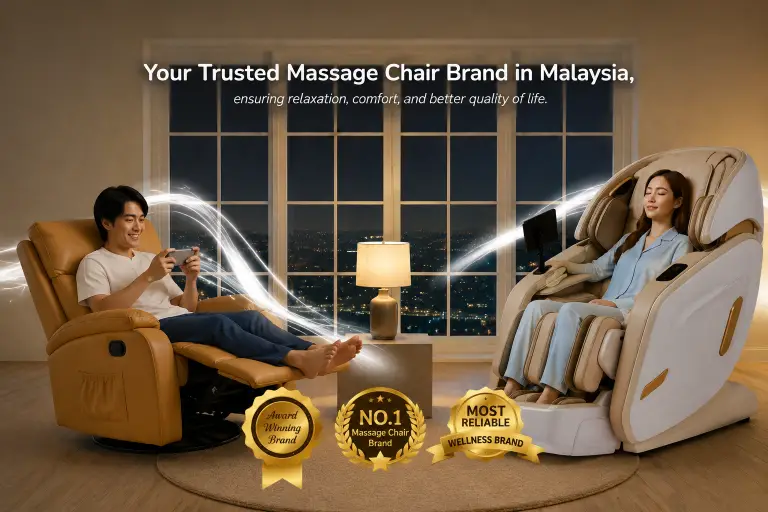
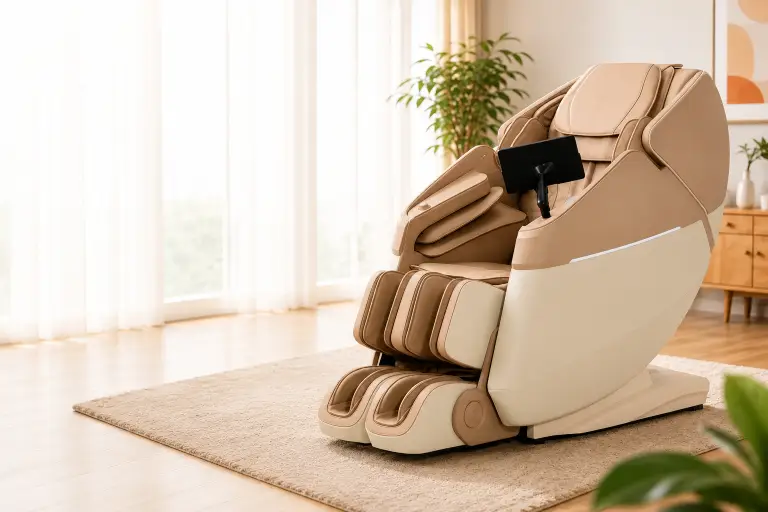
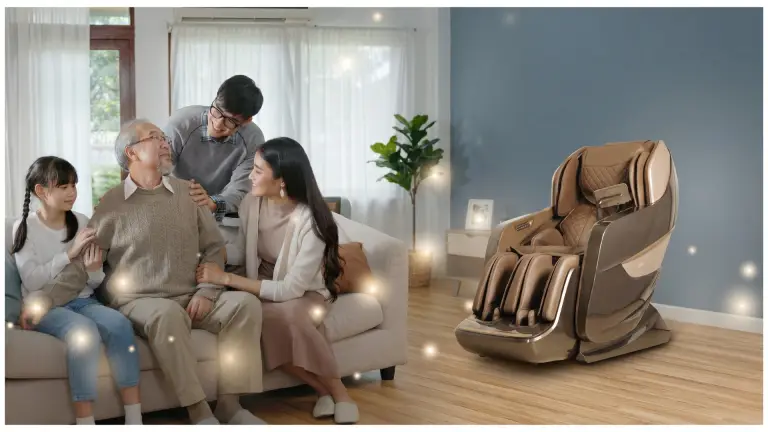
Modern massage chairs can offer different automated programmes, roller movements, airbag compression and adjustable intensity settings. Instead of using the same programme every time, users can select an experience that better matches how they want to relax that day.
The key is personalisation rather than maximum intensity.
2. Massage May Support Muscle Comfort and Short-Term Pain Relief
One reason people seek massage is to feel more comfortable when their muscles feel tight or tired.
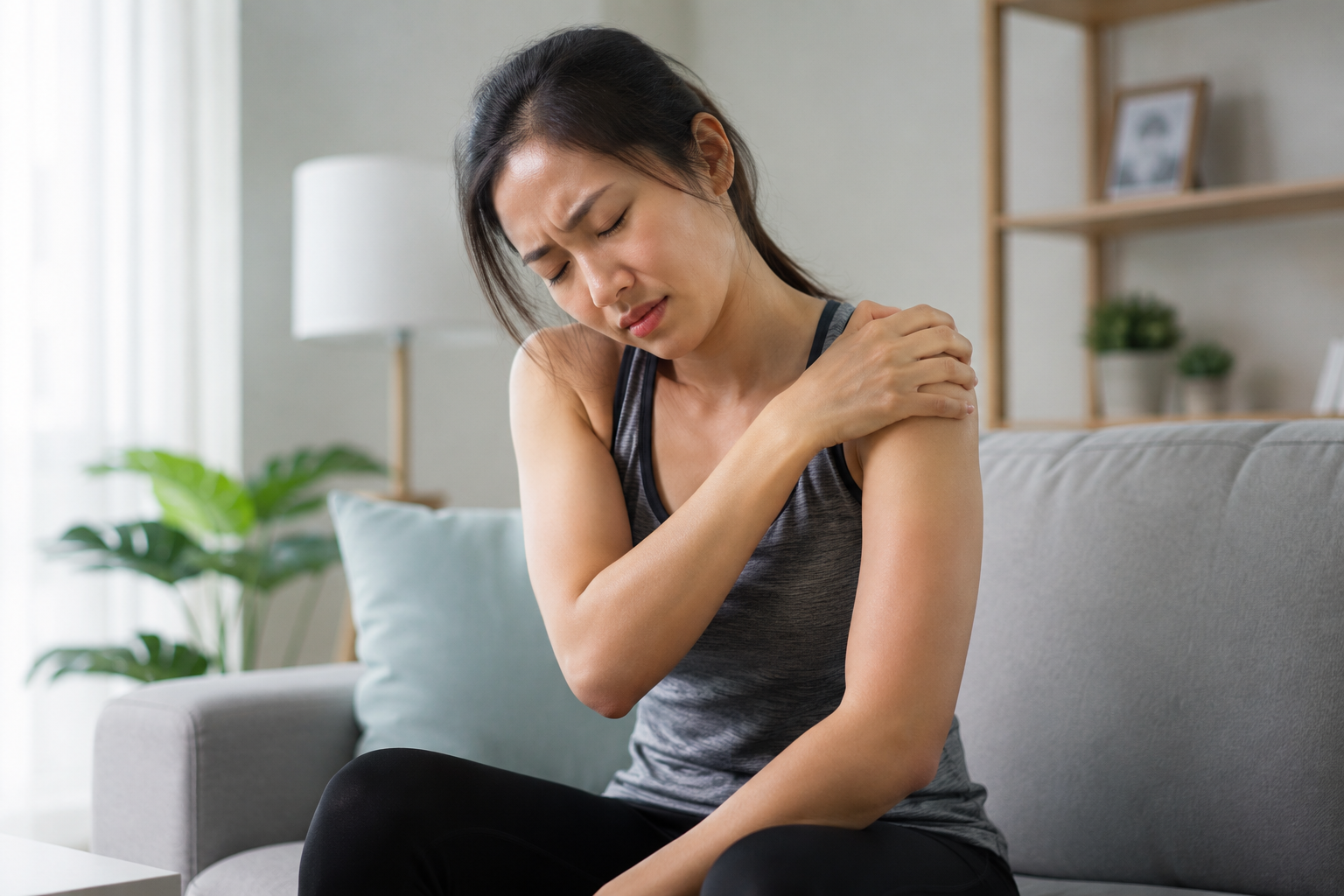
Research has investigated massage for several pain-related conditions, including low-back, neck and shoulder pain.
For example, NCCIH reports that massage may provide short-term improvement for some people experiencing low-back pain, although the evidence is not considered strong enough to make broad claims about long-term effectiveness. Research into neck and shoulder pain has similarly suggested possible short-term benefits.
Mayo Clinic also identifies reduced muscle tightness, relaxation and stress reduction among potential benefits associated with massage.
Massage Is Not a Cure for Pain
This is an important distinction.
Persistent or unexplained pain may have an underlying cause that requires professional assessment.
Massage should therefore not be used to delay seeking medical advice for symptoms that are severe, persistent, worsening or otherwise concerning. NCCIH specifically advises against using massage therapy as a reason to postpone seeing a healthcare provider about a medical problem.
Think of massage as one possible part of a broader wellness approach rather than a universal solution for pain.
3. Massage Can Be Part of a Relaxation Routine
Not every massage needs to be about addressing discomfort.
Sometimes, the goal is simply to relax.
Massage can create an intentional period where you stop working, put down your phone and allow your body to unwind.
Mayo Clinic notes that massage may help reduce stress and increase relaxation.
For someone with a busy routine, this may be one of the most practical reasons to make massage part of everyday wellness.
Making Time for Relaxation at Home
The difficulty is often consistency.
Booking a massage requires time, travel and planning. That can make regular sessions inconvenient for people with demanding work or family schedules.
Creating a simple home relaxation routine can remove some of these barriers.
For example:
- Finish work and step away from your devices.
- Change into comfortable clothing.
- Spend a few minutes stretching or walking.
- Use a massage chair or another preferred relaxation method.
- Give yourself quiet time before returning to other activities.
A routine does not have to be complicated to be useful.
Consistency can be more practical than waiting until you feel completely exhausted before taking time to relax.
4. Massage Experiences Differ From Person to Person
Have you ever enjoyed a massage that someone else found uncomfortable?
That’s normal.
Body size, sensitivity, personal preference and physical condition can all influence how a massage feels.
One person might prefer stronger pressure around the shoulders, while another may prefer a gentler massage.
The same applies to different parts of the body.
More Pressure Does Not Always Mean a Better Massage
A common misconception is that a massage needs to be extremely strong to be effective.
That is not necessarily the case.
Excessive pressure may simply make the experience uncomfortable. NCCIH notes that some rare serious adverse effects reported in connection with massage have involved vigorous forms of massage or people who were already at increased risk of injury.
Comfort should therefore come before intensity.
When using a massage chair, start with comfortable programmes and lower or moderate intensity settings before gradually adjusting them.
Features such as automatic body scanning can also help compatible massage chairs better position their automated massage mechanisms according to the user’s body.
5. Massage Is Generally Low Risk, but It Is Not Suitable for Everyone
For many healthy adults, appropriately performed massage has a relatively low risk of harmful effects.
However, low risk does not mean risk-free.
NCCIH reports rare cases of serious adverse effects associated with massage, including nerve injury, bone fracture and blood clots. Some involved vigorous massage or people who were already at greater risk of injury.
Certain medical conditions, injuries and individual circumstances can affect whether massage is appropriate.
When Should You Speak to a Healthcare Professional?
Consider obtaining professional medical advice before massage if you:
- Have an existing medical condition that could be affected by massage
- Have a recent or significant injury
- Have unexplained or severe pain
- Have concerns relating to your bones, circulation or nerves
- Are pregnant and are unsure whether a particular massage technique is suitable
- Are recovering from surgery or medical treatment
- Have been advised by a healthcare professional to avoid certain pressure or movements
These are not comprehensive medical screening criteria.
If you are uncertain, the safest approach is to ask a qualified healthcare professional who understands your individual health circumstances.
Massage should complement appropriate healthcare — not replace it.
6. Massage Chairs Can Make At-Home Massage More Convenient
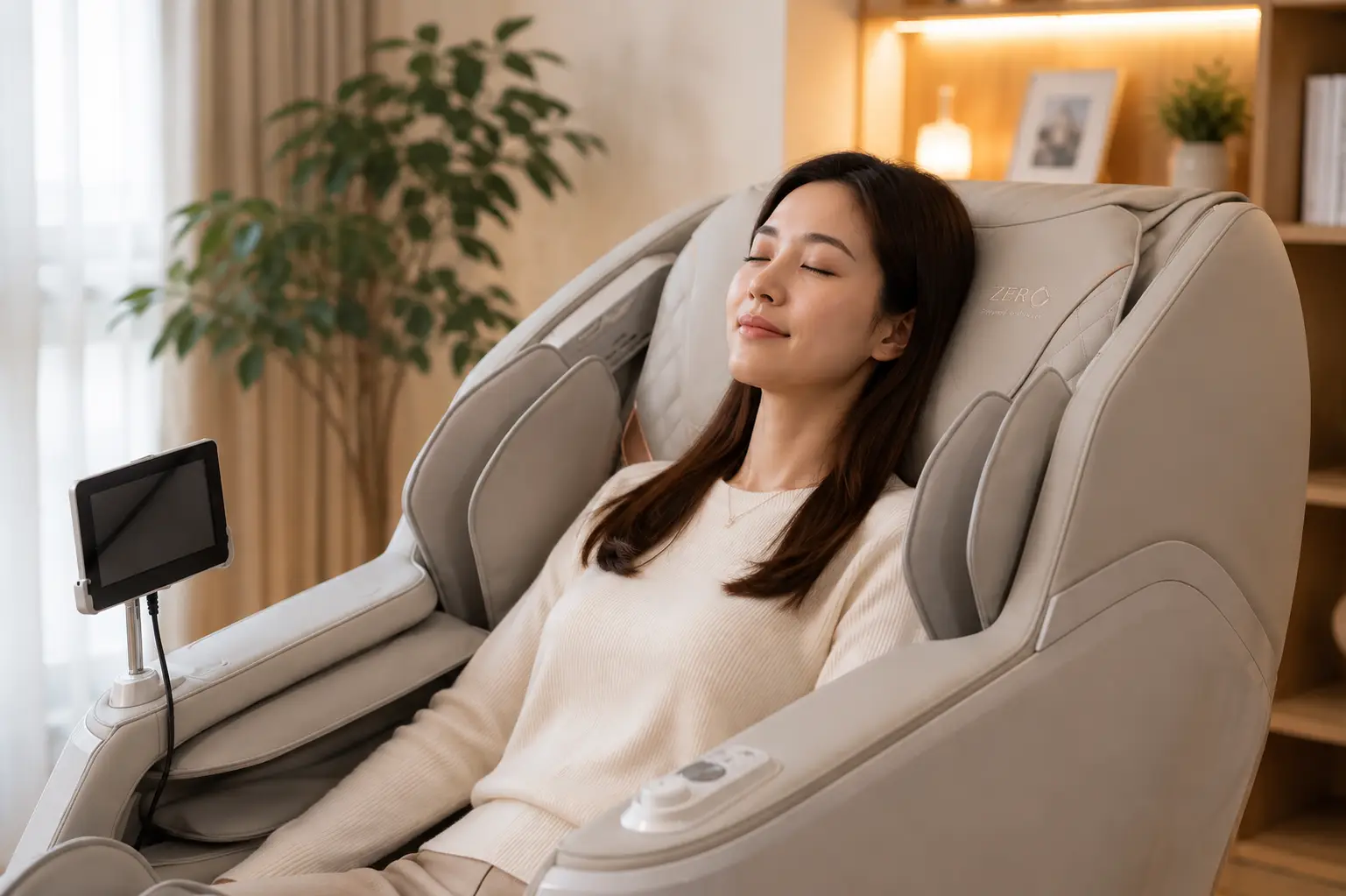
Professional massage therapy and massage chairs are not the same thing.
A trained massage therapist can assess how a person responds during a session and manually modify techniques.
A massage chair provides an automated massage experience.
Its main advantage is convenience.
Instead of arranging an appointment whenever you want to relax, a massage chair allows you to enjoy an automated massage at home whenever it suits your schedule.
Depending on the model, modern massage chairs may include features such as:
- Automated body scanning
- Roller massage systems
- Airbag compression
- Adjustable massage intensity
- Multiple automatic programmes
- Zero-gravity reclining positions
- Foot and calf massage
- Heating functions
- Stretching programmes
These features are designed primarily around comfort, relaxation and the overall massage experience rather than diagnosing or treating medical conditions.
What Should You Look for in a Massage Chair?
Don’t choose a massage chair based only on the longest feature list.
Consider:
1. Comfort:
Does the chair suit your body and seating preference?
2. Massage coverage:
Which areas of your body can the chair massage?
3. Intensity:
Can you comfortably adjust the massage strength?
4. Programmes:
Are there options suitable for different relaxation preferences?
5. Ease of use:
Can members of your household operate the chair comfortably?
6. Space:
Does the chair fit naturally into your home?
7. After-sales support:
What warranty and servicing support are available?
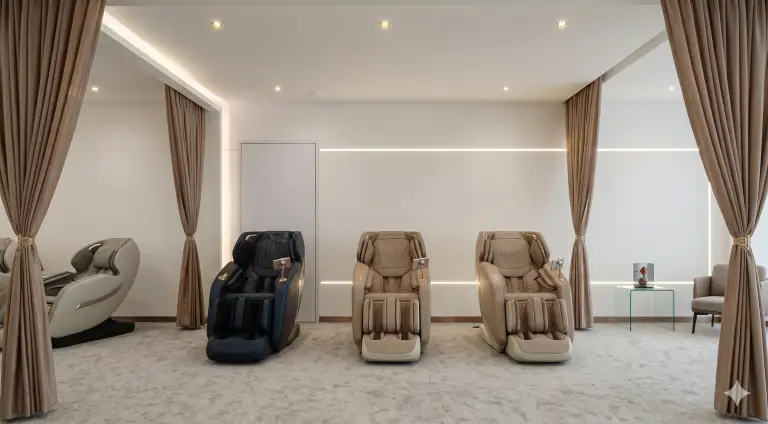
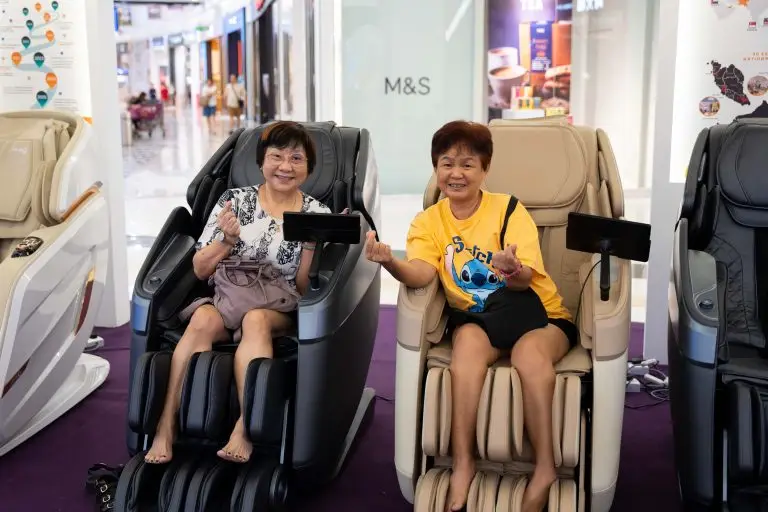
The easiest way to understand these differences is to experience several chairs yourself.
Zero Healthcare offers a range of massage chair options with different massage technologies and comfort features.
You can also use the Zero Healthcare Store Locator to find a showroom and experience different models before deciding which type of massage experience suits you.
Massage Therapy vs Massage Chairs: Understanding the Difference
Although both involve massage, they serve different roles.
Professional massage therapy involves a trained person applying massage techniques manually. The therapist can communicate with you, observe your response and modify the session accordingly.
A massage chair, meanwhile, provides automated massage using mechanical rollers, airbags and other technologies depending on the model.
A massage chair therefore should not be described as a replacement for professional medical care or therapeutic assessment.
Its strength lies elsewhere: convenient access to massage and relaxation at home.
For many households, that can make it easier to build short relaxation sessions into everyday life.
| Comparison | Professional Massage Therapy | Massage Chair |
|---|---|---|
| How it works | A trained therapist applies massage techniques manually. | Provides automated massage using rollers, airbags and other built-in technologies. |
| Personalisation | The therapist can communicate with you, observe your response and adjust the session in real time. | Settings such as intensity, massage area and programmes can usually be adjusted depending on the model. |
| Main purpose | May be used for relaxation, wellness or specific therapeutic goals depending on the therapist and individual needs. | Mainly designed for convenient relaxation, comfort and automated massage at home. |
| Convenience | Requires an appointment and travel to a therapist or massage centre. | Can be used at home whenever it fits your routine. |
| Medical assessment | A qualified professional may assess your needs within their professional scope. | A massage chair cannot diagnose medical conditions or replace professional medical assessment. |
| Best suited for | People who want hands-on, individually adjusted massage sessions. | Households looking for convenient and regular access to massage and rel |
Building Massage Into Your Home Wellness Routine
Wellness is rarely determined by one product or habit.
Massage can instead sit alongside other healthy lifestyle practices.
A balanced routine may include:
- Regular physical activity
- Appropriate stretching and mobility
- Sufficient sleep
- Balanced nutrition
- Staying hydrated
- Taking breaks from prolonged sitting
- Managing everyday stress
- Making time for relaxation
A massage chair can then become one tool within that wider routine.
For example, an office worker may use a massage chair after returning home and before settling into the evening. Another person may prefer a short relaxation programme after spending much of the day standing.
There is no need to turn massage into another complicated daily task.
The aim is simply to create a comfortable opportunity to slow down.
Final Thoughts
Massage therapy for health is best understood as a supportive wellness approach rather than a cure-all.
Research suggests that massage may provide short-term benefits for certain types of discomfort and can support relaxation, but the strength of evidence varies considerably between conditions.
The six key things to remember are:
- Massage includes many different techniques.
- It may support muscle comfort and short-term relief for certain types of pain.
- Massage can be part of a relaxation routine.
- Everyone responds differently to massage.
- Massage is not appropriate for every person or every health situation.
- Massage chairs offer a convenient way to enjoy automated massage at home.
Most importantly, distinguish between wellness and medical treatment.
If your goal is everyday relaxation and you are considering bringing massage into your home, experiencing different massage chairs can help you understand what feels comfortable for your body.
Explore Zero Healthcare massage chairs or find your nearest Zero Healthcare showroom to compare different massage experiences in person.
This article provides general wellness information and is not intended to diagnose, treat, cure or prevent any medical condition. If you have a medical condition, persistent pain, an injury or concerns about whether massage is suitable for you, consult a qualified healthcare professional.
7. Frequently Asked Questions
Massage may support relaxation, reduce muscle tightness and provide short-term relief for certain types of discomfort. However, benefits vary between individuals and conditions, and massage should not replace appropriate medical care.
Massage may help some people feel less muscle tightness and more relaxed. The effect varies according to the individual, massage technique, pressure and reason for the tension. Persistent or unexplained symptoms should be assessed by a healthcare professional.
Suitability depends on the person, chair, programme, intensity and individual health circumstances. Follow the manufacturer’s instructions and stop if massage causes pain or unusual discomfort. People with health conditions or other concerns should seek professional medical advice before use.
Yes, modern massage chairs can closely simulate many hands-on massage techniques. With body scanning, targeted massage programmes, rollers and airbags, they can support everyday muscle relaxation and body tension at home. However, they should not replace professional medical care for injuries or persistent pain.
People with medical conditions, significant injuries, unexplained pain, pregnancy-related concerns or other circumstances that could make massage unsuitable should discuss it with a qualified healthcare professional first. NCCIH similarly recommends speaking with a healthcare provider if you are uncertain whether massage is appropriate.