


How to Fix Post-Workout Muscle Soreness: A Recovery Guide for Fitness Lovers
You had a great workout. You pushed harder, lifted heavier, ran longer, or finally tried that new routine.
Then the next day comes.
Walking down the stairs feels painful. Sitting down feels like a challenge. Even getting out of bed reminds you exactly which muscles you trained.
This is known as post-workout muscle soreness, or DOMS — delayed-onset muscle soreness. It usually happens after intense exercise, especially when your body is not fully used to the movement.
While soreness is normal, it should not stop you from staying consistent with your fitness routine. The right recovery habits can help your body feel better, reduce stiffness, and prepare you for your next workout.
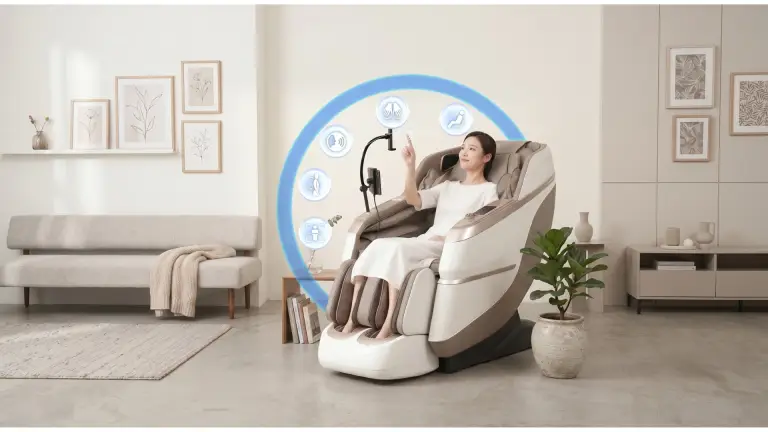
One helpful recovery tool many fitness enthusiasts are now adding to their home use routine is a massage chair. With features designed for relaxation, comfort, and muscle recovery, a Zero Healthcare massage chair can support your body after training without needing to book a massage appointment every time.
What Causes Post-Workout Muscle Soreness?
Post-workout soreness usually appears 12 to 48 hours after exercise. It happens when your muscle fibres experience tiny tears during training.
This is part of the muscle-building process, but it can also cause stiffness, tenderness, and discomfort.
Common Causes of Muscle Soreness
- Strength training or heavy lifting
- New workout movements
- High-intensity exercise
- Running downhill
- Lowering weights slowly
- Increasing your training volume too quickly
A little soreness is normal. But if recovery is poor, it may affect your performance, increase injury risk, and make it harder to stay consistent.
Why Recovery Matters After Exercise
Many people focus only on training, but recovery is just as important.
Your muscles do not grow stronger during the workout itself. They repair and rebuild after the workout, especially when you rest, eat well, sleep properly, and support blood circulation.
Good recovery can help with:
- Better workout performance
- Less muscle stiffness
- Improved flexibility
- Reduced injury risk
- Better sleep
- More consistent training
If you want long-term fitness results, recovery should be part of your routine — not something you only think about when your body feels painful.
5 Simple Ways to Reduce Muscle Soreness
1. Do Light Active Recovery
When your muscles are sore, staying completely still may make you feel even stiffer.
Light movement helps increase blood flow and supports the recovery process.
Try These Active Recovery Activities
- A 20-minute walk
- Gentle cycling
- Light stretching
- Swimming
- Easy yoga
The goal is not to train hard again. The goal is to move gently and help your body loosen up.
2. Drink Enough Water and Eat Well
Your muscles need proper nutrition to repair.
After a workout, focus on getting enough protein, carbohydrates, and fluids. Protein helps repair muscle tissue, while carbohydrates help refill your energy stores.
Good Recovery Nutrition Habits
- Eat enough protein daily
- Include healthy carbohydrates
- Drink plenty of water
- Replace electrolytes if you sweat a lot
- Avoid skipping meals after workouts
Recovery starts from the inside, so what you eat and drink matters.
3. Prioritise Quality Sleep
Sleep is one of the most underrated recovery tools.
When you sleep, your body repairs muscles, balances hormones, and restores energy. If you are not sleeping well, your recovery will naturally take longer.
Aim for 7 to 9 hours of quality sleep whenever possible.
To sleep better, try creating a relaxing night routine. This can include light stretching, soft music, or a short massage chair session before bed.
4. Stretch Gently
Stretching can help reduce tightness and improve flexibility, but it should be done carefully.
Avoid forcing deep stretches when your muscles are very sore. Instead, choose slow and gentle movements.
Best Time to Stretch
- After a light warm-up
- After a workout
- Before bedtime
- After a massage chair session
Gentle stretching helps your body feel more relaxed without adding extra strain.
5. Use Massage Therapy for Better Relaxation and Recovery
Massage therapy is one of the most popular ways to relieve muscle tension after exercise.
It helps promote blood circulation, relax tight muscles, and support overall comfort. For fitness lovers, this can make a big difference, especially after leg day, long runs, or intense strength training.
The challenge is that professional massages can be expensive and time-consuming.
This is where a Zero Healthcare massage chair becomes useful for home use. It allows you to enjoy massage and relaxation anytime, without travelling or making appointments.
Why a Massage Chair Helps with Post-Workout Recovery
A massage chair is more than just a comfort item. For active individuals, it can be part of a smarter recovery routine.
Benefits of Using a Massage Chair After Exercise
- Helps relax sore muscles
- Supports better blood circulation
- Reduces stiffness and tension
- Promotes full-body relaxation
- Helps improve sleep quality
- Provides convenient recovery at home
With regular use, a massage chair can help your body feel more prepared for your next workout.
Key Zero Healthcare Massage Chair Features for Fitness Recovery
Zero Healthcare massage chairs are designed to support comfort, relaxation, and everyday wellness. For fitness enthusiasts, several features are especially helpful after training.
4D Massage Technology
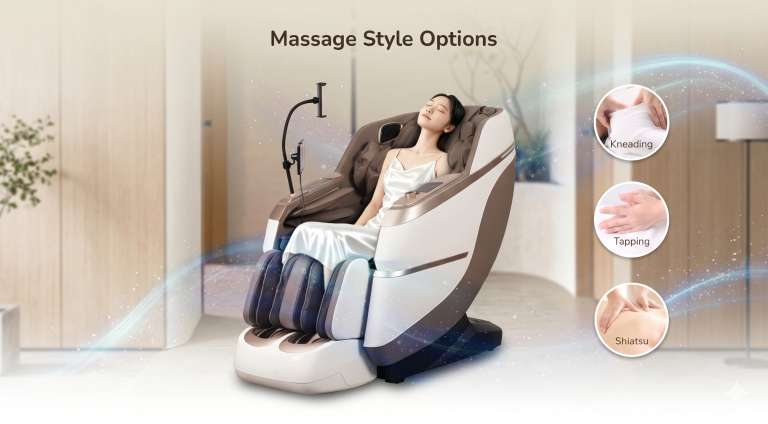
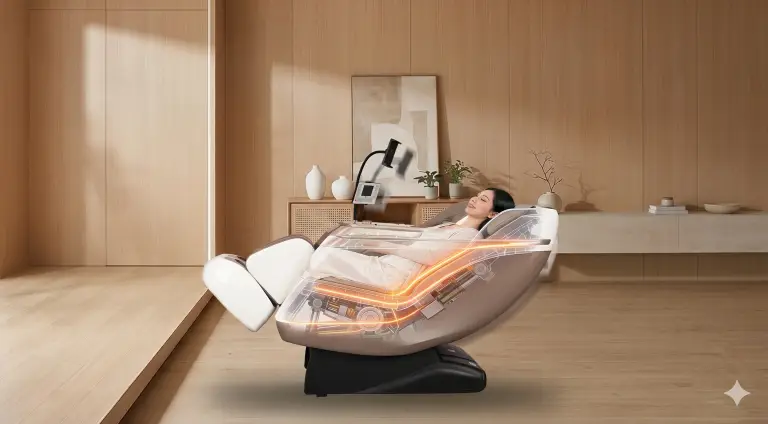
4D massage technology is designed to mimic the movement of human hands. It can help target tight areas more effectively and provide a deeper, more personalised massage experience.
This is useful for areas such as:
- Shoulders
- Lower back
- Glutes
- Thighs
- Calves
Air Compression Massage
Air compression massage uses airbags that gently squeeze and release different parts of the body.
This can be especially helpful after workouts because it supports circulation and helps tired muscles feel more relaxed.
It is commonly used around the:
- Arms
- Legs
- Calves
- Feet
Heat Therapy
Heat therapy is great for relaxing tight muscles.
Warmth helps improve comfort and prepares the body to relax more deeply during a massage session. After a tough workout, heat therapy can feel especially soothing on stiff areas like the lower back or legs.
Zero Gravity Recline
Zero Gravity positioning helps place the body in a more relaxed posture by reducing pressure on the spine and distributing body weight more evenly.
For fitness lovers, this position can make massage sessions feel more comfortable and restful.
Calf and Foot Massage
After running, cycling, squats, or leg day, your calves and feet often carry a lot of tension.
A massage chair with calf and foot massage functions can help provide targeted comfort where many active people need it most.
A Simple Daily Recovery Routine
You do not need a complicated routine to recover better. Small habits done consistently can make a big difference.
Morning Recovery
Start your day with light stretching or a short 10-minute massage chair session to wake up your body gently.
After Workout
Cool down properly, drink water, and allow your heart rate to return to normal. After that, enjoy a 15 to 20-minute massage chair session focused on the muscles you trained.
Evening Recovery
Before bedtime, use a full-body relaxation program with heat therapy and Zero Gravity recline. This can help your body unwind and prepare for better sleep.
Why Fitness Enthusiasts Choose Zero Healthcare
Zero Healthcare is a trusted name for massage chairs and wellness solutions in Malaysia. The brand focuses on combining advanced massage technology with comfort, style, and practical home use.
Whether you are a gym-goer, runner, cyclist, or someone who simply wants better relaxation after a long day, Zero Healthcare offers massage chair options designed to support your lifestyle.
You can explore more here:
Visit Zero Healthcare
Explore Zero Healthcare Best Massage Chair Collection
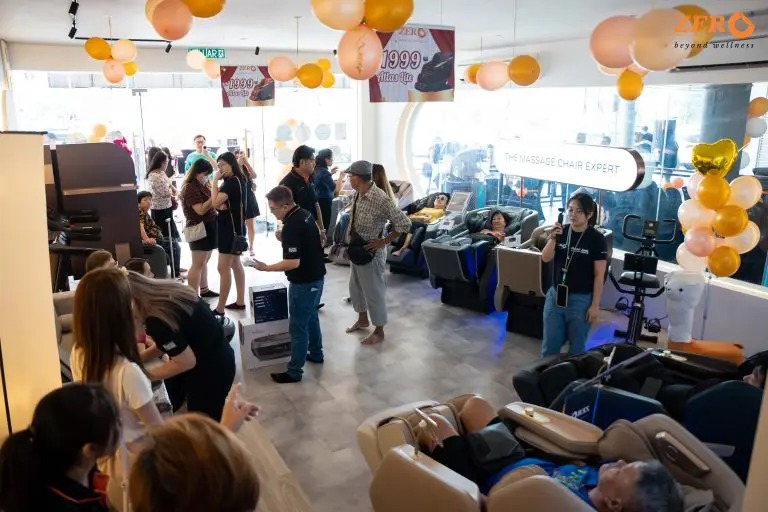
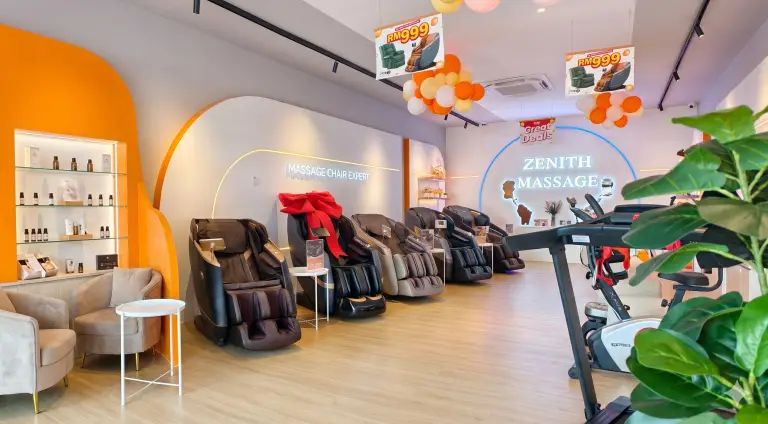
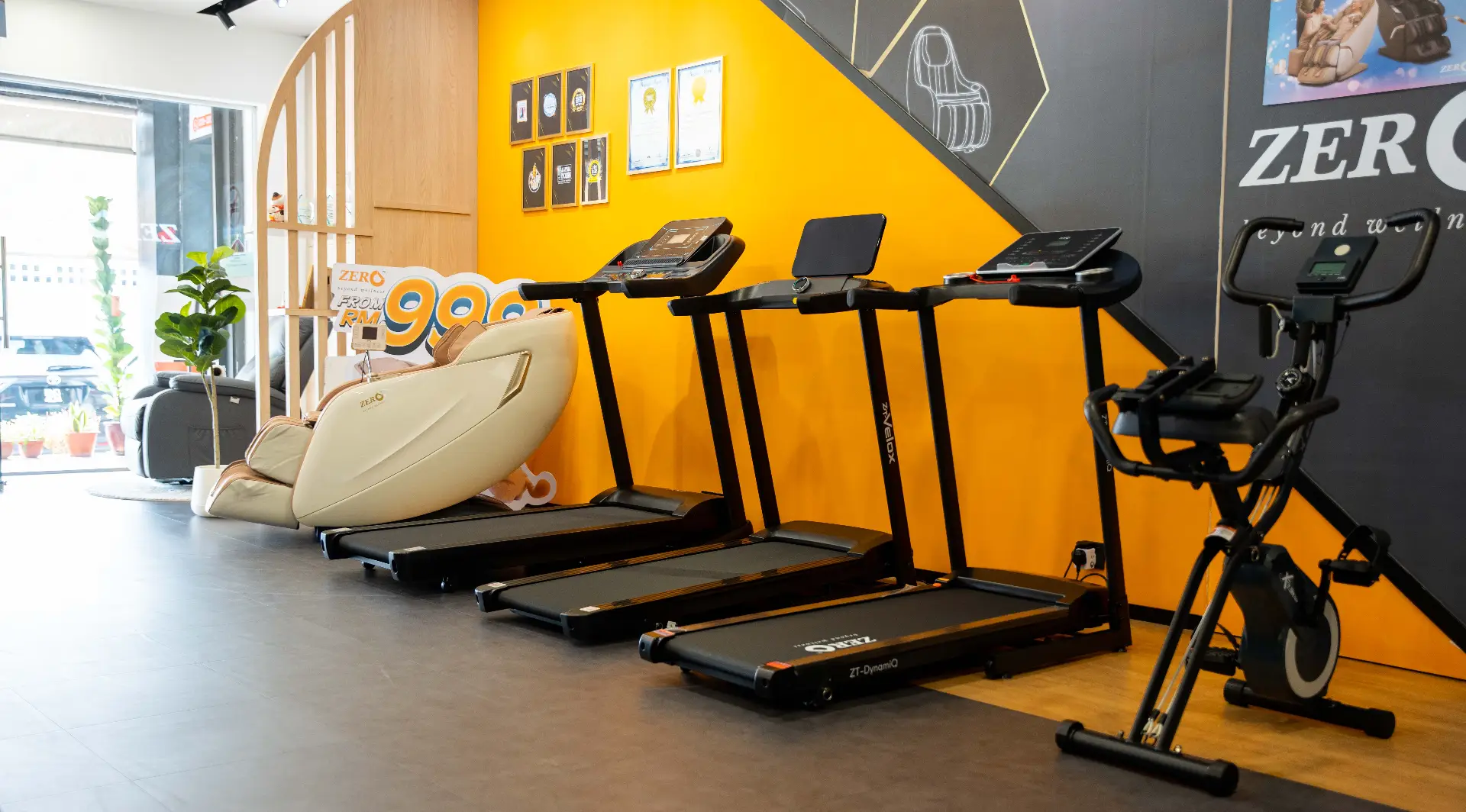
Find a Zero Healthcare Showroom Near You
Final Thoughts
Muscle soreness is part of the fitness journey, but it does not have to slow you down.
By combining active recovery, proper nutrition, quality sleep, stretching, and massage therapy, you can help your body recover better and feel more comfortable after every workout.
A Zero Healthcare massage chair makes recovery easier by bringing relaxation, comfort, and wellness into your home. For anyone serious about fitness, it is a smart way to support the body between training sessions.
Frequently Asked Questions(FAQs)
It is best to wait around 30 to 60 minutes after intense exercise so your heart rate can return to normal. After that, a 15 to 20-minute massage chair session can help with relaxation and comfort.
Yes, a massage chair may help relax tight muscles, support blood circulation, and reduce general post-workout stiffness.
Many fitness enthusiasts use a massage chair daily or several times a week, depending on their training intensity and comfort level.
Both can be useful. Foam rolling helps target specific areas, while a massage chair provides a more relaxing full-body recovery experience for home use
The best massage chair depends on your needs, space, and preferred features. You can visit a Zero Healthcare showroom or browse the Best Massage Chair Collection to compare available models.