


Why Sitting Too Long Causes Back Pain (And What You Can Do About It)
Why Sitting Too Long Causes Back Pain
In today’s digital world, many people spend most of their day sitting—whether working in an office, studying, commuting, or relaxing at home. While sitting may seem harmless, prolonged sitting can place significant stress on your spine, muscles, and joints.
If you’ve ever experienced stiffness, lower back pain, neck tension, or poor posture after a long day, you’re not alone. Understanding why sitting too long causes back pain can help you take proactive steps toward better health, comfort, and relaxation.
How Sitting Affects Your Spine
When you sit for extended periods, your body remains in a fixed position. This can create excessive pressure on the lower back and reduce the natural curve of your spine.
Common Effects of Prolonged Sitting:
- Increased pressure on spinal discs
- Tight hip flexor muscles
- Weak core muscles
- Poor posture habits
- Reduced blood circulation
- Increased muscle fatigue
Over time, these issues can contribute to chronic back pain and reduced mobility.
Why Does Sitting Cause Lower Back Pain?
1. Increased Pressure on the Lumbar Spine
Research has shown that sitting places more pressure on the lower back compared to standing. When sitting with poor posture, the pressure becomes even greater.
This constant strain can lead to:
- Lower back discomfort
- Disc compression
- Muscle tension
- Sciatica symptoms
2. Weakening of Core Muscles
Your core muscles help support your spine. However, prolonged sitting reduces their activity.
When core muscles become weak, your back has to work harder to support your body, increasing the risk of pain and injury.
3. Tight Hip Flexors
Sitting keeps your hips in a shortened position for long periods. Over time, hip flexor muscles become tight and pull on your pelvis, creating an imbalance that contributes to lower back pain.
4. Poor Posture Habits
Many people unknowingly slouch while working, using smartphones, or watching television.
Poor posture can cause:
- Rounded shoulders
- Forward head position
- Neck pain
- Upper back tension
- Chronic spinal stress
Other Health Risks of Sitting Too Much
Back pain isn’t the only concern.
Excessive sitting has also been linked to:
1. Reduced Blood Circulation
Sitting for long hours can slow blood flow, causing:
- Leg fatigue
- Swelling
- Numbness
2. Increased Muscle Stiffness
The longer you remain inactive, the stiffer your muscles become, making movement uncomfortable when you finally stand up.
3. Increased Stress and Fatigue
Physical discomfort often contributes to mental fatigue and stress, affecting overall health and productivity.
Signs Your Back Pain May Be Caused by Too Much Sitting
You may be experiencing sitting-related back pain if you notice:
- Lower back aches after work
- Stiffness when standing up
- Neck and shoulder tension
- Poor posture
- Muscle tightness in hips and legs
- Discomfort after long drives
If these symptoms occur regularly, it’s time to make changes to your daily routine.
How to Reduce Back Pain from Sitting
1. Take Regular Movement Breaks
Experts recommend standing or walking every 30–60 minutes.
Simple activities include:
- Stretching
- Walking around the office
- Climbing stairs
- Light mobility exercises
2. Improve Your Sitting Posture
Remember these posture tips:
- Keep both feet flat on the floor
- Sit with your back supported
- Relax your shoulders
- Position your monitor at eye level
3. Exercise Regularly
Strengthening your core and improving flexibility can significantly reduce back pain.
Recommended activities:
- Walking
- Yoga
- Swimming
- Pilates
- Strength training
4. Use Wellness Solutions at Home
For many people, recovery and relaxation after a long day are just as important as maintaining good posture.
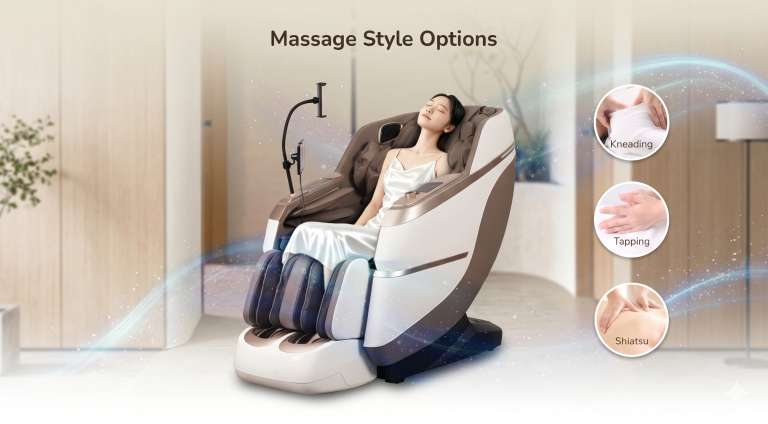
A high-quality massage chair can help relieve muscle tension, improve circulation, and support daily recovery.
How a Massage Chair Can Help Relieve Sitting-Related Back Pain
Modern massage chairs are designed to target areas commonly affected by prolonged sitting.
Key Benefits:
1. Full-Body Massage Therapy
Advanced massage systems help loosen tight muscles in the back, neck, shoulders, and hips.
2. Improved Blood Circulation
Massage promotes healthy blood flow, helping reduce stiffness and fatigue.
3. Stress Relief and Relaxation
After a long day of sitting, massage therapy helps relax both the body and mind.
4. Better Daily Comfort
Regular use may help reduce muscle tension and support overall wellness.
Why Many Malaysians Choose Zero Healthcare Massage Chairs
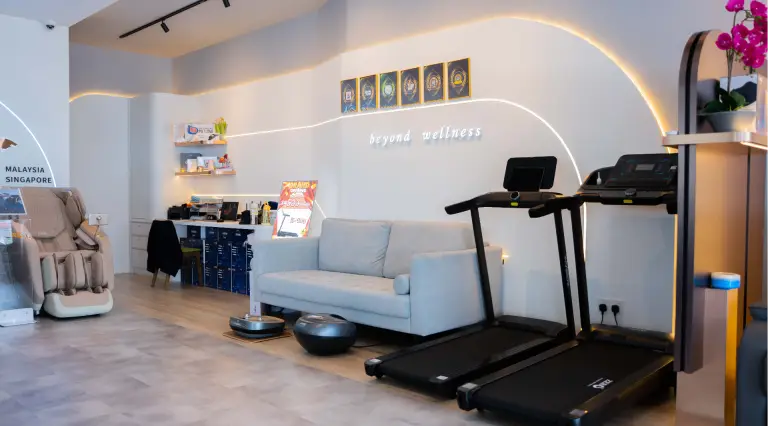
As a trusted Malaysian wellness brand, Zero Healthcare has helped thousands of families improve their health and comfort at home.
What Makes Zero Healthcare Different?
- Proud Malaysian brand with international-quality standards
- More than 70 branches nationwide
- Multiple award-winning wellness products
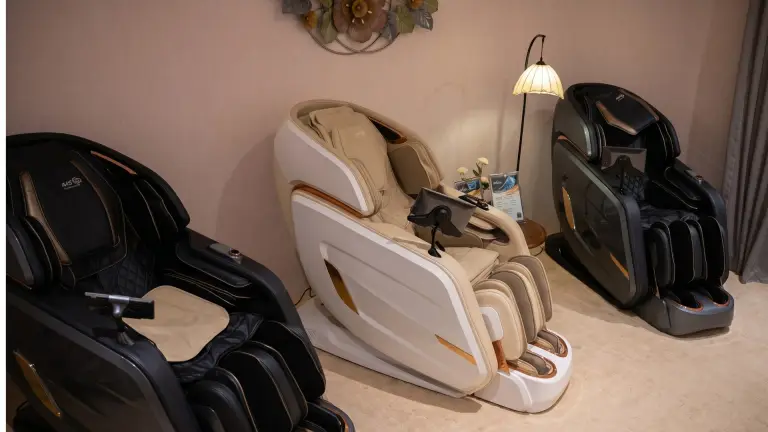
- Wide range of massage chairs for every budget
- Advanced massage technology for home use
- Professional customer support and after-sales service
Whether you’re a busy office worker, entrepreneur, driver, or retiree, Zero Healthcare offers massage chair solutions designed to fit your lifestyle and wellness needs.
For those looking to improve daily relaxation and recovery, explore the latest massage chair collection from Zero Healthcare:
https://www.zerohealthcare.com/
You may also find these resources helpful:
- https://www.zerohealthcare.com/articles/
- https://www.zerohealthcare.com/best-massage-chair-in-malaysia-2026-guide/
- https://www.zerohealthcare.com/how-to-choose-a-massage-chair-2026-buying-guide-malaysia/
Tips for Office Workers
If your job requires long hours at a desk:
- Stand up every 30–60 minutes.
- Stretch your hips and lower back regularly.
- Use an ergonomic chair.
- Maintain proper monitor height.
- Stay physically active outside work hours.
- Use a massage chair to support recovery and relaxation at home.
Small daily habits can make a big difference in preventing chronic back pain.
Conclusion
Sitting for long periods has become part of modern life, but it doesn’t have to become a source of chronic back pain. Understanding how prolonged sitting affects your spine, muscles, and overall health allows you to take action before discomfort becomes a serious issue.
By improving posture, staying active, taking movement breaks, and incorporating wellness solutions such as a massage chair into your routine, you can enjoy greater comfort, better health, and improved quality of life.
For Malaysians seeking a reliable wellness partner, Zero Healthcare continues to provide innovative massage chair solutions designed to support relaxation, recovery, and healthier living at home.
Frequently Asked Questions (FAQ)
Yes. Prolonged sitting increases pressure on the spine, weakens muscles, and contributes to poor posture, all of which can lead to back pain.
Health experts generally recommend avoiding uninterrupted sitting for more than 30–60 minutes at a time and encouraging regular movement throughout the day.
A massage chair can help reduce muscle tension, improve circulation, promote relaxation, and support recovery from sitting-related discomfort.
Sit with your feet flat on the floor, knees at a 90-degree angle, shoulders relaxed, and your back fully supported.
The best massage chair depends on your budget, body size, and preferred massage features. Zero Healthcare offers a variety of massage chairs suitable for office workers, professionals, and families looking for daily comfort and wellness support.
If poor posture and prolonged sitting continue for years without intervention, it may contribute to chronic pain, spinal degeneration, and long-term mobility issues. Early prevention is recommended.