



Can a Massage Chair Help With Numbness? 4 Ways to Support Everyday Comfort
Your leg falls asleep after sitting too long. Your feet start tingling after staying in one position. Or perhaps you occasionally experience the familiar “pins and needles” sensation.
So, can a massage chair help with numbness?
A massage chair may provide a comfortable way to relax your muscles and legs, particularly after prolonged sitting or a tiring day. However, numbness itself can have many causes, so massage should not be considered a treatment for persistent or unexplained numbness.
Instead, think about your overall daily routine.
For occasional discomfort, four areas are worth considering: balanced nutrition, regular movement, massage-chair relaxation and targeted foot and calf massage.
Why Do We Experience Numbness?

Numbness is a change or loss of sensation. It may also feel like tingling, burning or pins and needles.
Mayo Clinic explains that numbness can occur when nerves are damaged, irritated or under pressure.
This is important because not every numb sensation has the same cause.
Temporary Numbness After Staying in One Position
Most of us have experienced a leg or arm “falling asleep.”
It may happen after:
- Sitting cross-legged for too long
- Staying at a desk in one position
- Sleeping in an awkward position
- Putting pressure on an arm or leg
Temporary pressure on a nerve can produce numbness or pins and needles. Mayo Clinic notes that short-term nerve pressure often improves once that pressure is relieved.
In this situation, the first thing to do is simple:
Change position and start moving gently.
When Numbness May Have Another Cause
Numbness that repeatedly returns or does not disappear should not automatically be blamed on sitting.
Possible causes can include nerve compression, peripheral neuropathy, diabetes and vitamin deficiencies, among others. Mayo Clinic specifically lists vitamin B12 deficiency among possible causes of numbness and notes that low levels of several nutrients can be relevant to nerve health.
That is why it is important to understand the cause rather than simply trying to massage the sensation away.
What Can You Do About Occasional Numbness?
There is no single lifestyle solution for every type of numbness.
For everyday wellness, however, you can focus on four areas that support a healthier routine.
1. Support Nerve Health With a Balanced Diet

Nutrition is easy to overlook when thinking about numbness.
The nervous system needs adequate nutrition to function normally. Mayo Clinic notes that B vitamins—including B1, B6 and B12—as well as copper and vitamin E are important to nerve health.
Rather than relying on supplements without knowing whether you have a deficiency, start with a varied, balanced diet.
Depending on your dietary needs, this can include foods such as:
- Vegetables and fruits
- Whole grains
- Eggs
- Fish
- Lean meat
- Dairy products
- Beans and legumes
- Nuts and seeds
The goal is not to find a particular “food for numbness.”
Instead, think about supporting overall nutrition and getting enough essential nutrients.
If you suspect a vitamin deficiency or follow a diet that restricts certain food groups, speak with an appropriate healthcare professional before starting supplements.
Key takeaway:
A balanced diet supports normal body and nerve function, but food should not be presented as a treatment for unexplained numbness.
2. Stay Active and Avoid Sitting Too Long

For office workers, this is one of the most practical changes to make.
WHO recommends limiting sedentary time and notes that replacing sedentary time with physical activity—even light-intensity activity—provides health benefits.
If you spend most of your day working at a desk, try incorporating more movement throughout your routine.
For example:
1.Stand up regularly.
Avoid remaining in exactly the same position for long periods.
2. Walk around.
A short walk around the office or home breaks up prolonged sitting.
3. Move your ankles and legs.
Simple ankle movements can help keep your lower body active while working.
4. Stretch gently.
Gentle mobility and flexibility exercises can help reduce stiffness associated with sitting.
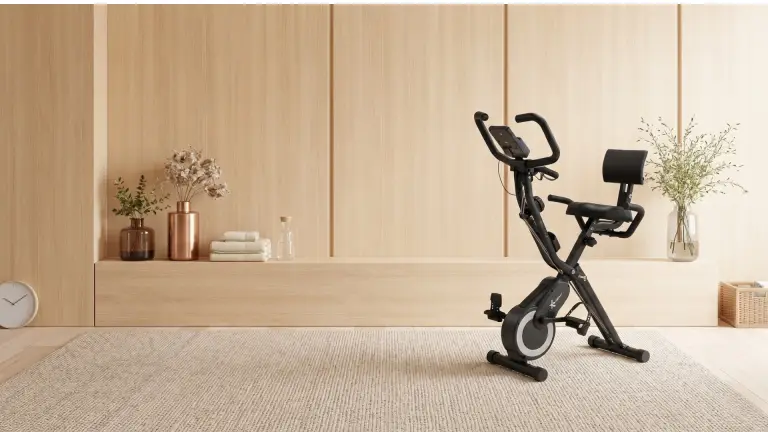
5. Exercise regularly.
Walking, strength training, cycling, swimming or other appropriate activities can all contribute to an active lifestyle.
Mayo Clinic also recommends good positioning, avoiding staying in one position for prolonged periods, and incorporating strength and flexibility exercise as measures that may help reduce nerve-compression risks.
The important point is:
Don’t rely on massage to replace movement.
Massage can complement an active lifestyle, but your body still needs regular movement.
3. Use a Massage Chair for Everyday Relaxation
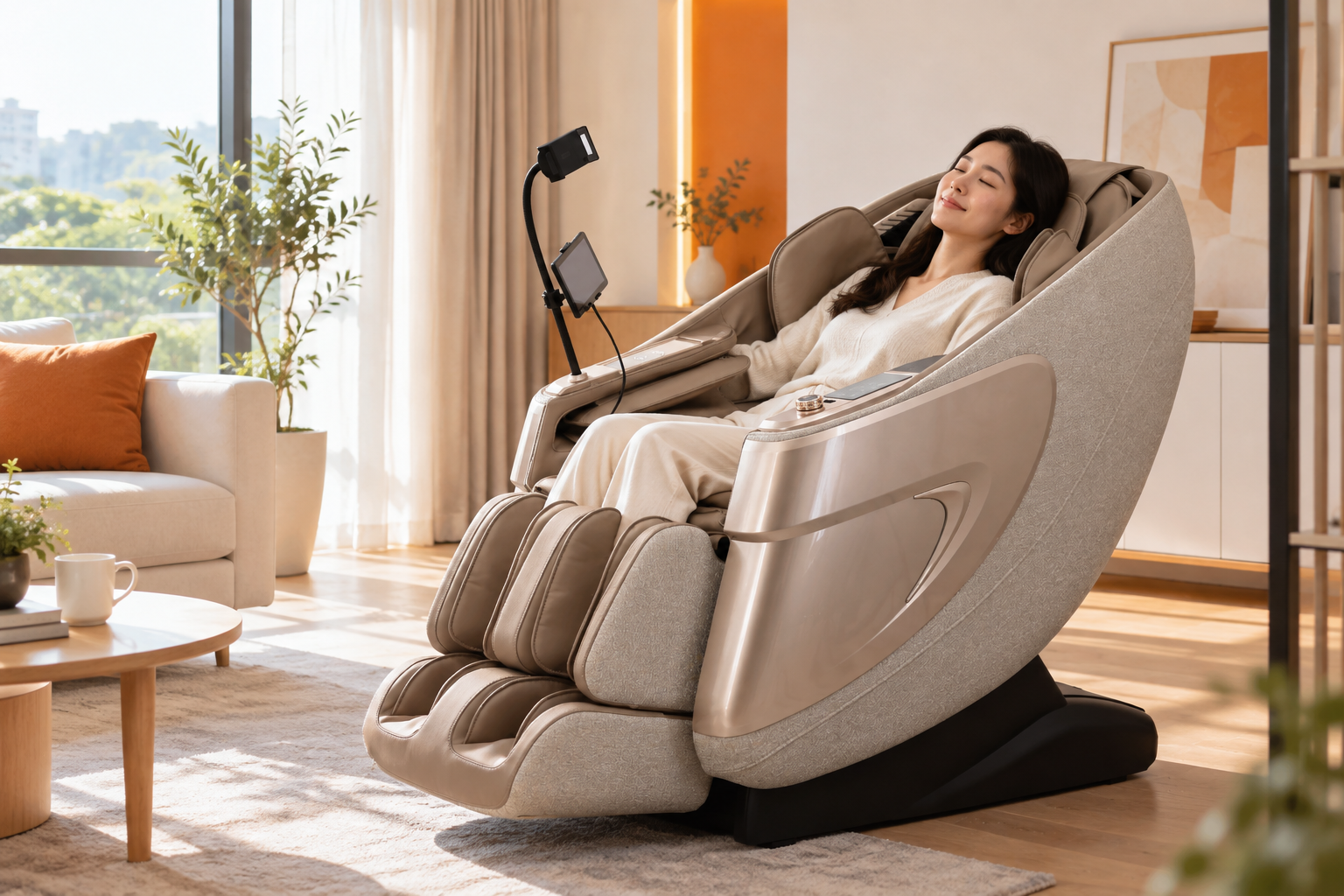
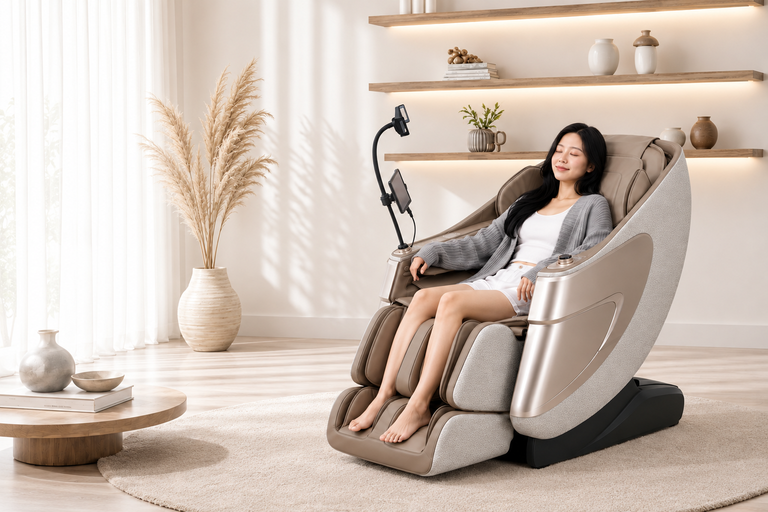
After moving and stretching, a massage chair can become another part of your relaxation routine.
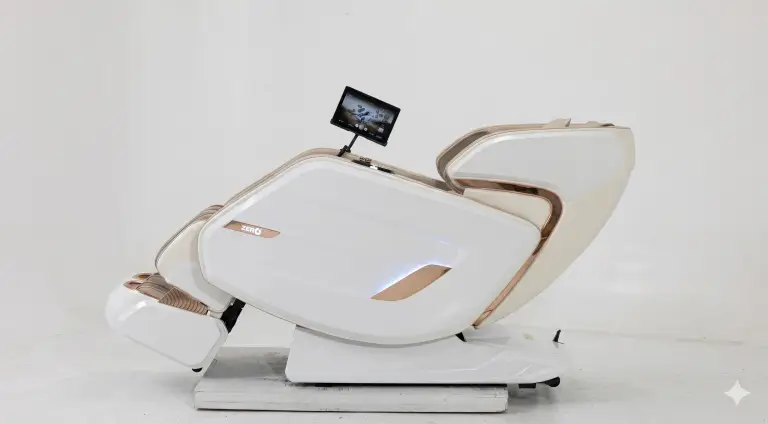
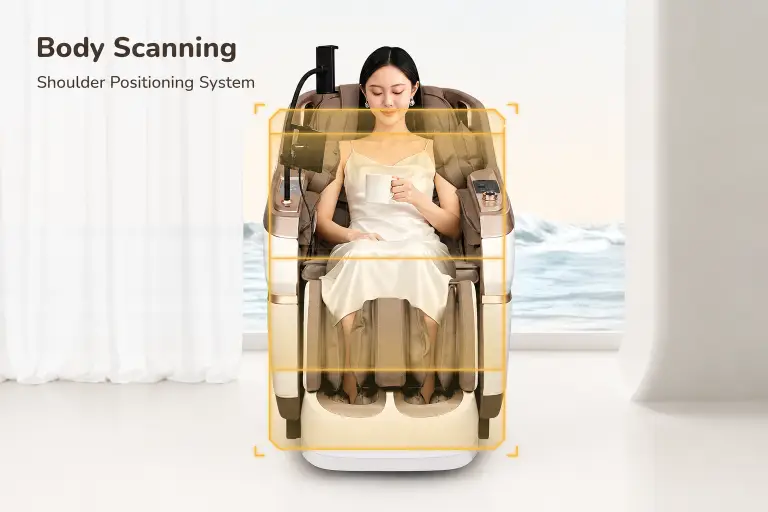
Modern massage chairs may provide mechanical massage through combinations of:
- Massage rollers
- Air compression
- Foot massage
- Calf massage
- Reclining positions
- Heat functions
- Automatic massage programmes
For someone who spends long hours sitting or standing, these features can provide a comfortable way to relax the back, legs and feet at home.
The key is to understand what the massage chair is doing.
A massage chair is primarily a wellness and relaxation product.
It may help your muscles feel more relaxed and provide a soothing massage experience, but it does not diagnose why a body part feels numb or treat nerve damage.
How to Use a Massage Chair Sensibly
If your leg temporarily falls asleep after sitting:
1. Change position first.
Remove whatever is putting pressure on the area.
2. Move gently.
Stand, walk or move the affected limb.
3. Allow normal sensation to return.
Avoid immediately applying very strong massage pressure to an area you cannot properly feel.
4. Start with a comfortable intensity.
More pressure does not automatically mean a better massage.
5. Pay attention to your body.
Stop if massage causes pain, worsening numbness or unusual discomfort.
At Zero Healthcare, customers can compare different massage chair options depending on their preferred massage intensity, body areas and relaxation experience.
Whenever possible, test the chair before deciding.
4. Try D’MediFeet for Targeted Foot and Leg Relaxation
Not everyone needs a full-body massage every time.
Sometimes the area that feels most tired after a long day is simply the feet and lower legs.
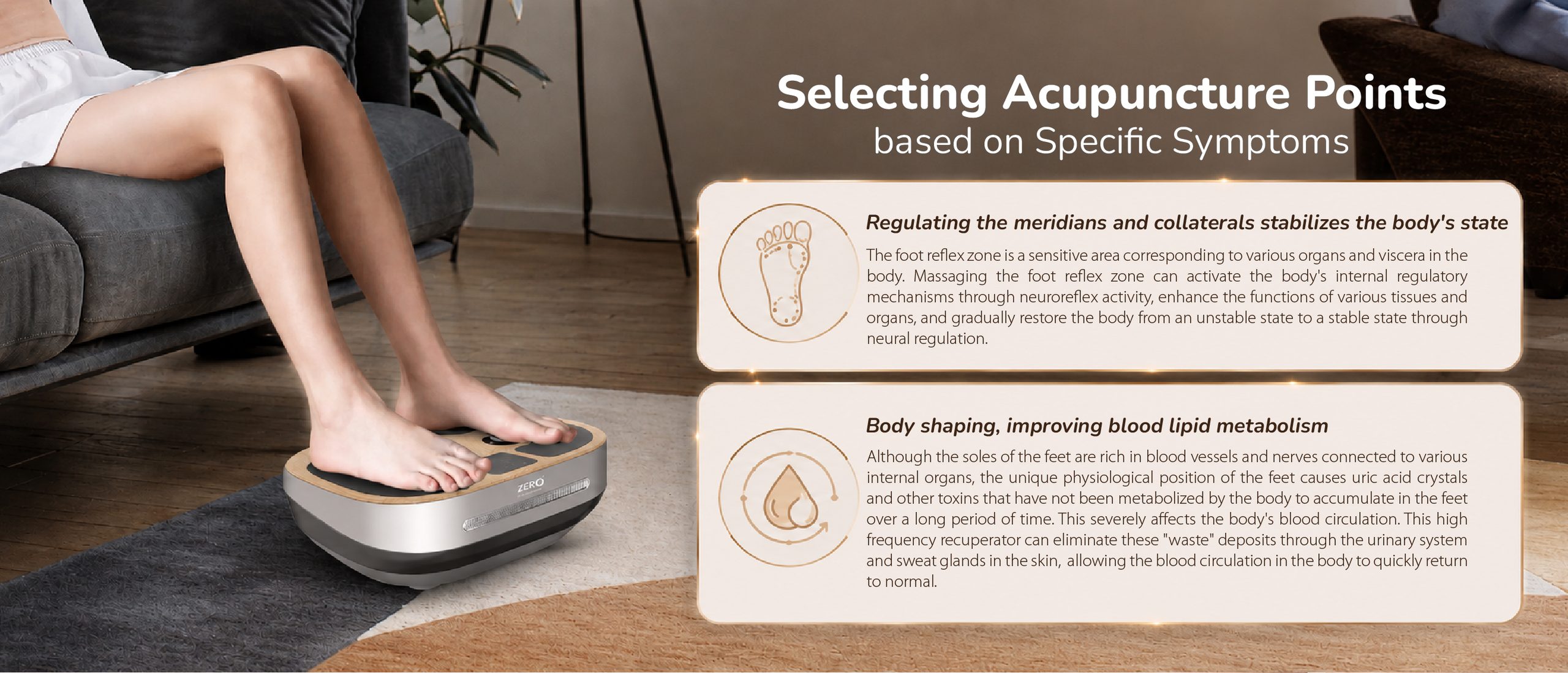
This is where a dedicated foot and calf massager such as Zero Healthcare D’MediFeet can fit naturally into a home wellness routine.
Instead of providing a full-body massage, a dedicated foot massager focuses the experience around the feet and lower legs.
It may be suitable for people who:
- Spend long hours standing
- Sit at a desk for most of the day
- Walk extensively during work
- Want targeted foot relaxation
- Prefer a smaller home massage device
- Want to unwind their feet after daily activity
A simple routine could be:
Finish work → Walk or stretch → Sit comfortably → Enjoy a D’MediFeet session → Relax
However, there is an important distinction.
Foot Massage Is Not a Treatment for Foot Numbness
If your feet are genuinely numb, particularly if sensation is significantly reduced, do not assume stronger massage is the answer.
Reduced sensation can make it harder to judge pressure, discomfort or temperature.
Peripheral neuropathy, for example, can involve gradual numbness, tingling, pain, sensitivity changes, weakness and balance problems.
If foot numbness is persistent or keeps returning, seek medical advice before relying on a foot massager.
Use D’MediFeet for what it is intended to provide:
targeted foot and lower-leg massage, comfort and everyday relaxation.
A Simple Daily Routine for People Who Sit for Long Hours
You do not need to choose between exercise and massage.
They serve different purposes and can fit into the same wellness routine.
A simple after-work routine could look like this:
| Part of Routine | What You Can Do | Purpose |
|---|---|---|
| Nutrition | Eat a varied, balanced diet | Support overall health and normal body function |
| Movement | Walk, stand and gently stretch | Break up prolonged sitting and keep your body active |
| Massage Chair | Enjoy a comfortable full-body massage | Support muscle relaxation after the day |
| D’MediFeet | Focus on feet and lower legs | Provide targeted foot and leg relaxation |
Think of these four elements as complementary habits rather than treatments.
Eat well → Move regularly → Relax your body → Give tired feet some attention.
That creates a much more complete wellness routine than simply sitting in a massage chair whenever discomfort appears.
When Should You See a Doctor About Numbness?
This is the most important part of the article.
A massage chair or foot massager should not be used to delay medical assessment of persistent or unusual numbness.
Arrange medical advice if numbness:
- Keeps returning
- Gradually becomes worse
- Does not disappear
- Affects both sides of your body
- Regularly affects your fingers or toes
- Occurs alongside weakness
- Causes difficulty walking or balancing
- Appears without an obvious reason
Mayo Clinic advises medical assessment when numbness gradually begins or worsens, affects both sides, comes and goes, or affects part of a limb such as the fingers or toes.
Seek urgent medical attention for sudden numbness, particularly when it occurs with weakness or paralysis, confusion, trouble speaking, dizziness or a sudden severe headache.
In these situations, don’t try to massage through the symptoms.
Choosing the Right Home Wellness Solution
If your goal is everyday relaxation rather than managing a diagnosed medical condition, consider where you usually feel tired.
1. For whole-body relaxation:
A massage chair may be more suitable because it can cover multiple areas such as the back, shoulders, legs and feet.
2.For targeted lower-body relaxation:
A foot and calf massager such as D’MediFeet may be more convenient.
3. For people who sit for long periods:
Prioritise movement first, then use massage as part of your recovery or relaxation routine.
4. For persistent numbness:
Identify the cause with an appropriate healthcare professional before depending on any massage device.
Because massage preference is highly personal, trying different products in person can help you understand which massage pressure and experience feels comfortable.
You can use the Zero Healthcare Store Locator to find a nearby showroom and experience different massage chairs and wellness products before buying.
Final Thoughts
So, can a massage chair for numbness help?
The better way to think about it is this:
Massage chairs can support relaxation, but numbness itself has to be understood first.
For occasional discomfort associated with prolonged sitting or an awkward position, start by changing position and moving.
Then build a more complete everyday wellness routine around four areas:
1. Eat a balanced diet to support overall health and normal nerve function.
2. Move regularly and avoid remaining in one position for too long.
3. Use a massage chair for comfortable full-body relaxation after daily activities.
4. Use D’MediFeet when you want more targeted foot and lower-leg relaxation.
Most importantly, don’t ignore numbness that persists, worsens or repeatedly returns.
Massage can be part of your wellness routine—but knowing when your body needs professional medical attention matters even more.
Frequently Asked Questions
A massage chair can provide muscle relaxation and a soothing massage experience, but it does not treat the underlying cause of numbness. If numbness is persistent, recurring or unexplained, seek medical advice.
Change your position and gently move or walk first. Avoid remaining in the same position for long periods. If the numbness does not resolve or frequently returns, speak with a healthcare professional.
A balanced diet that provides adequate essential nutrients supports normal nerve function. B vitamins, copper and vitamin E are among nutrients important to nerve health. A suspected deficiency should be professionally assessed rather than self-treated with high-dose supplements.
D’MediFeet is intended for targeted foot and lower-leg massage and relaxation, not for treating numbness or neuropathy. People with persistent numbness or significantly reduced sensation should seek appropriate medical advice before using strong massage or heat.
They serve different purposes. Regular movement helps reduce sedentary time, while massage can provide relaxation after daily activity. WHO recommends limiting sedentary time and replacing it with physical activity where possible.