


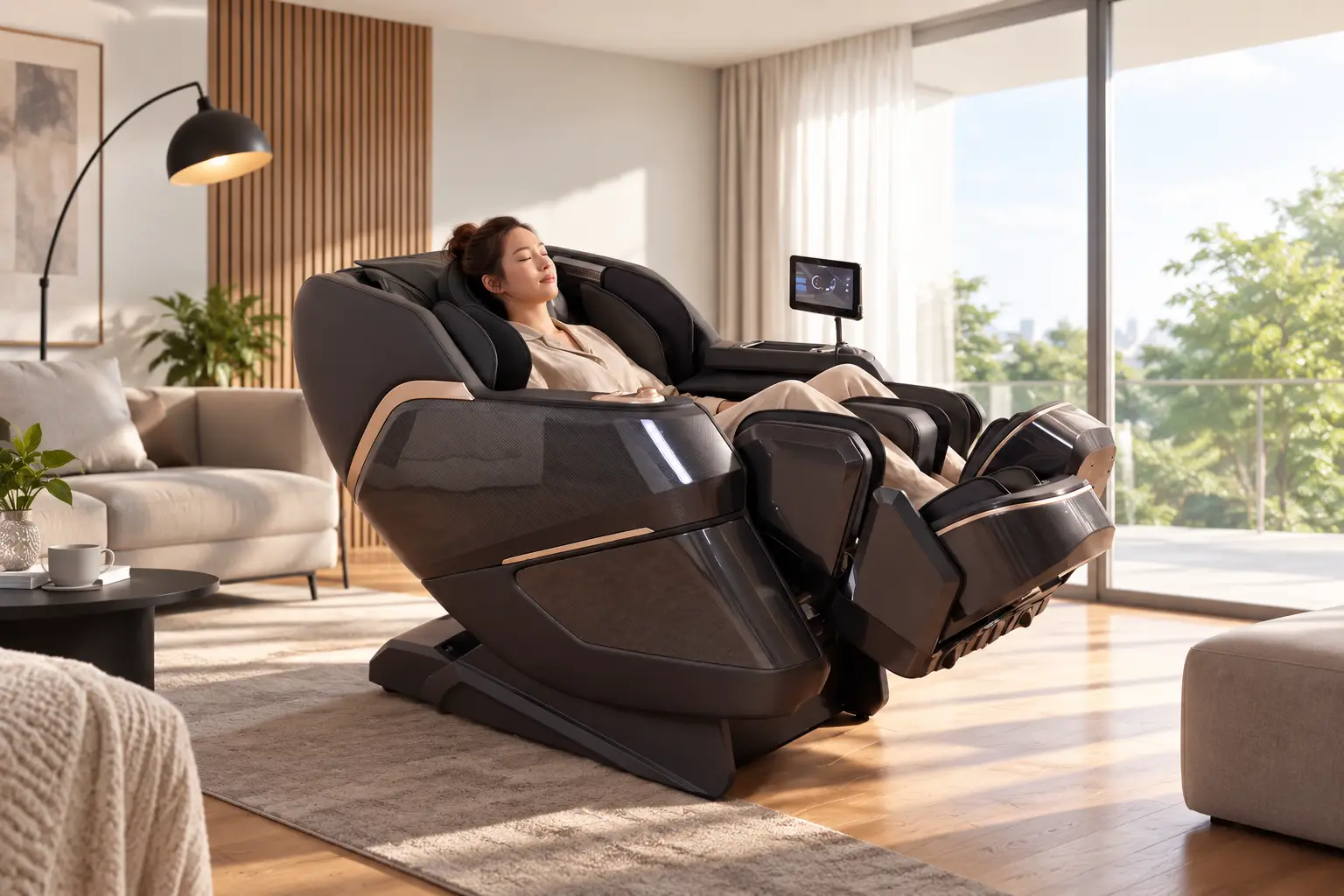
How to Choose the Best Full Body Massage Chair
Choosing the best full body massage chair is not simply about finding the chair with the most programs, airbags or impressive-sounding technology.
The better question is:
Which massage chair works best for your body and the way you plan to use it?
A chair can have dozens of features and still feel uncomfortable if the rollers do not align well with your shoulders, the footrest does not fit your legs, or the massage intensity is stronger than you prefer.
If you are comparing massage chairs for your home, focus on massage quality, body fit, coverage, adjustability, comfort and long-term ownership rather than specifications alone.
Here is what you should check before buying.
What Is a Full Body Massage Chair?
A full body massage chair is designed to provide automated massage across multiple areas of the body rather than concentrating on only one area.
Depending on the model, coverage may include the:
- Neck
- Shoulders
- Upper and lower back
- Waist
- Hips
- Arms and hands
- Thighs
- Calves
- Feet
Different areas may also use different technologies.
For example, a roller mechanism may provide the main back massage while airbags provide compression around the arms, shoulders, legs or feet.
More advanced models may combine these with body scanning, heat, stretching, foot rollers and reclining positions.
That means two chairs described as “full body massage chairs” can provide very different experiences.
How to Choose the Best Full Body Massage Chair
1. Start With Your Main Reason for Buying
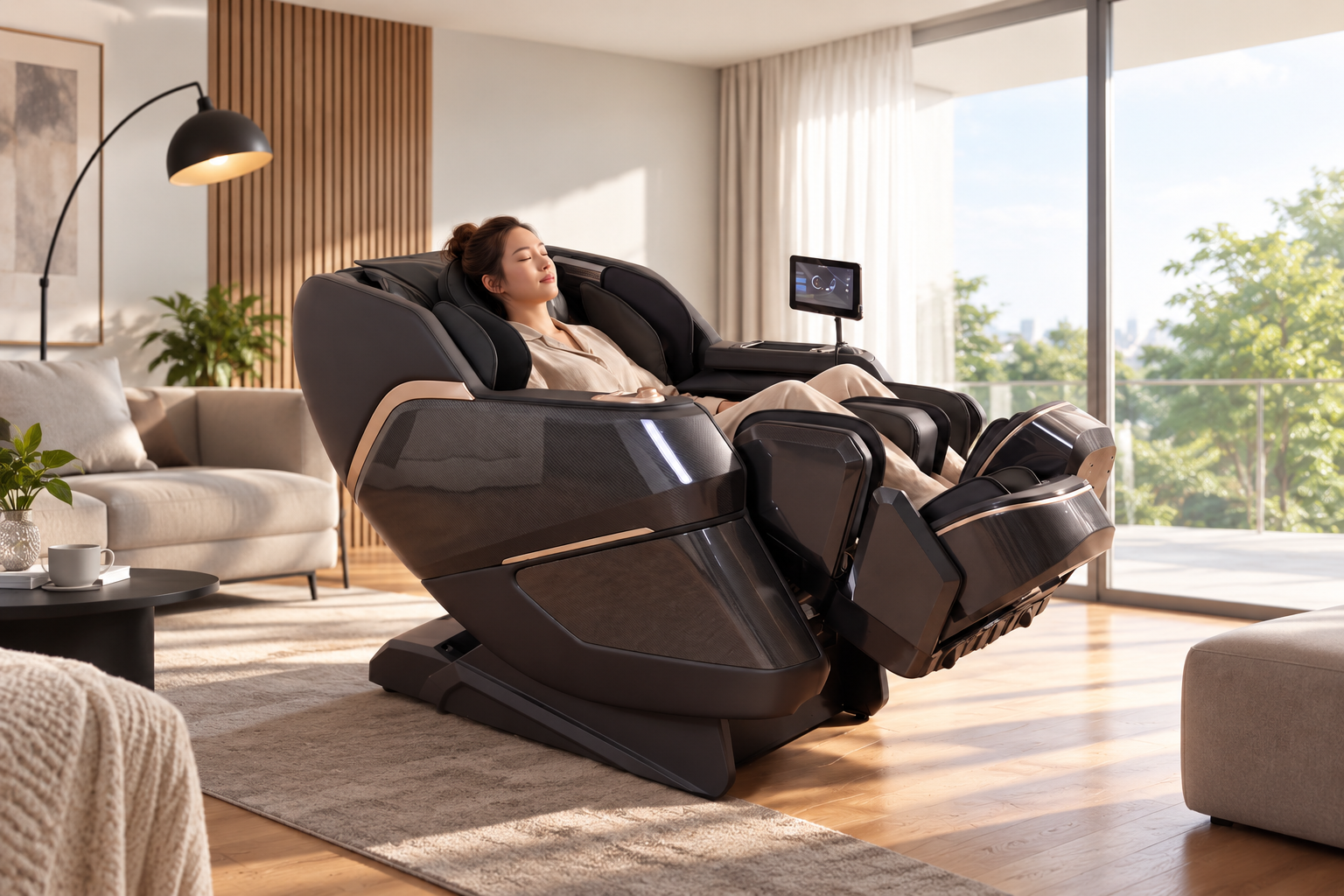
Before comparing specifications, decide what you actually want from the chair.
Ask yourself:
What do I want this massage chair to do for me?
For example, your priority could be:
- Relaxing after long working hours
- Having convenient massage at home
- Focusing more attention on your shoulders and back
- Getting a more comprehensive lower-body massage
- Stretching after exercise
- Relaxing your feet after standing for long periods
- Having a comfortable chair the family can share
This immediately makes comparing models easier.
Someone primarily interested in foot and calf massage should evaluate chairs differently from someone interested in stretching or intensive back massage.
2. Understand the Massage Mechanism
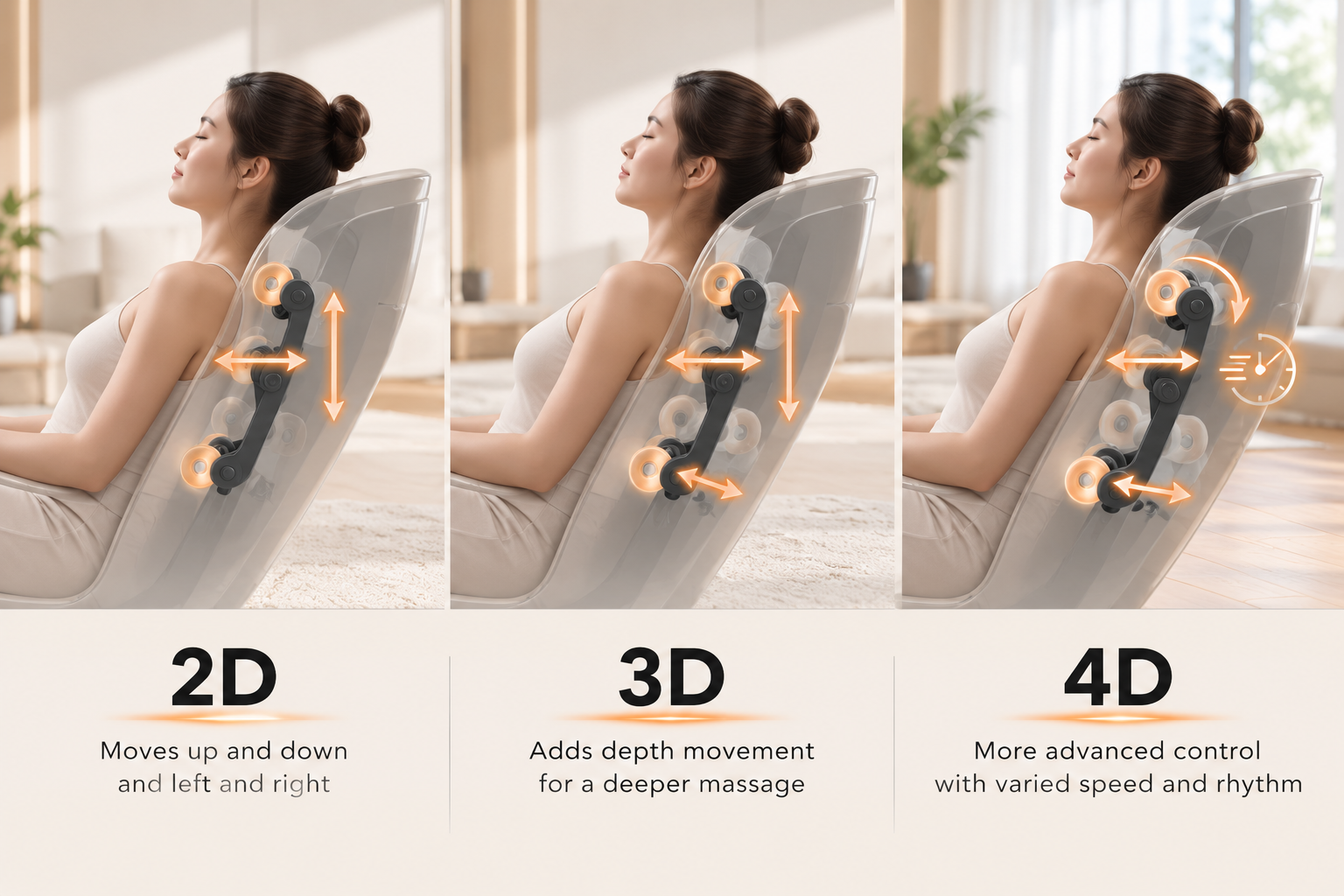
The massage mechanism is one of the most important components of a massage chair because it determines how the rollers move against your body.
You will commonly see terms such as 2D, 3D and 4D massage.
2D Massage
A 2D mechanism generally moves vertically and horizontally.
It can provide a straightforward massage experience and may be suitable for buyers who want basic functionality without requiring extensive intensity control.
3D Massage
A 3D system adds depth adjustment.
This allows the rollers to move further toward or away from the body, giving users more control over massage intensity.
4D Massage
4D systems generally build on 3D movement by introducing more sophisticated control over elements such as roller movement, rhythm or speed.
However, “4D” does not automatically mean that every 4D chair will feel better to you.
There is no substitute for actually sitting in the chair.
The roller design, programming, body mapping and how well the mechanism follows your body can matter just as much as the technology label.
| Massage Mechanism | Roller Movement | What It Means for the User |
|---|---|---|
| 2D Massage | Up/down + left/right | Provides straightforward roller movement and a more basic massage experience. Suitable for users who do not need extensive intensity adjustment. |
| 3D Massage | Up/down + left/right + depth | Adds forward and backward depth adjustment, allowing greater control over how deeply the rollers press against the body. |
| 4D Massage | 3D movement + advanced speed/rhythm control | Builds on 3D massage with more sophisticated control over roller movement, speed and rhythm for a more varied massage experience. |
Important: A higher technology label does not automatically mean a better massage. A well-designed 3D chair may feel more comfortable to you than a particular 4D chair.
When comparing massage chairs, consider roller design, body mapping, programming, adjustability and how well the mechanism follows your body — not just whether the chair is labelled 2D, 3D or 4D.
3. Check the Massage Track and Coverage
The track determines where the primary massage mechanism can travel.
Massage chairs may use different track configurations, including S-track, L-track or variations that combine characteristics of both.
Rather than choosing based purely on the name, ask:
- Where does the roller actually reach?
- Does it cover your shoulders properly?
- How does it follow your back?
- Does the mechanism continue toward the hips or glute area?
- Does the chair maintain comfortable contact as it reclines?
The usable massage coverage matters more than simply having a particular track terminology printed on the brochure.
4. Look for Effective Body Scanning
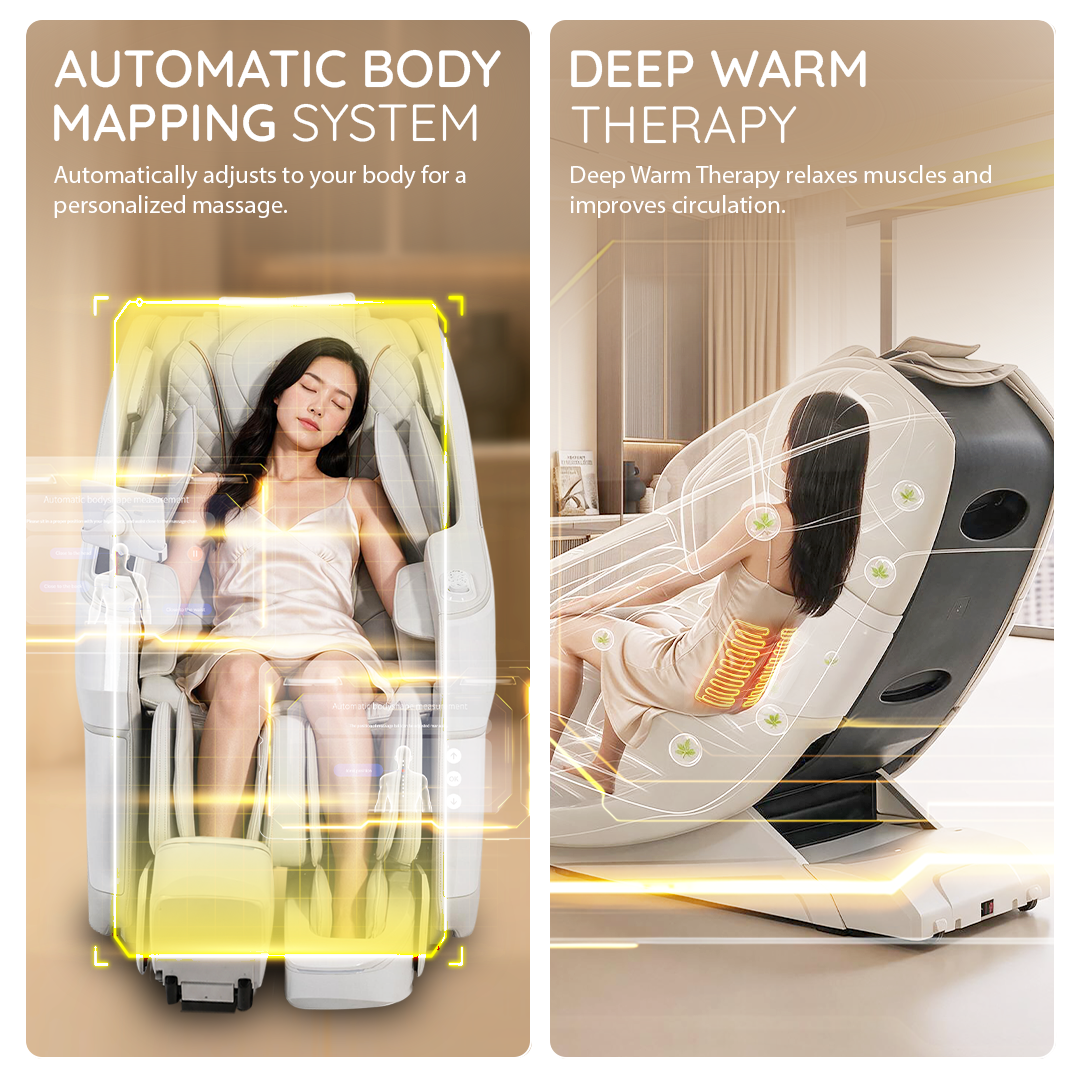
People have different heights, shoulder positions and body proportions.
That is why body scanning can be particularly useful when several people will use the same chair.
A body-scanning system attempts to identify the user’s body position so the massage mechanism can better align itself before the session begins.
When testing it, pay attention to one simple thing:
Are the rollers actually reaching the correct areas of your body?
If the shoulder position feels too high or too low, check whether the chair allows manual adjustment.
Good adjustability can sometimes be just as important as the initial scan.
5. Evaluate Airbag Massage Coverage
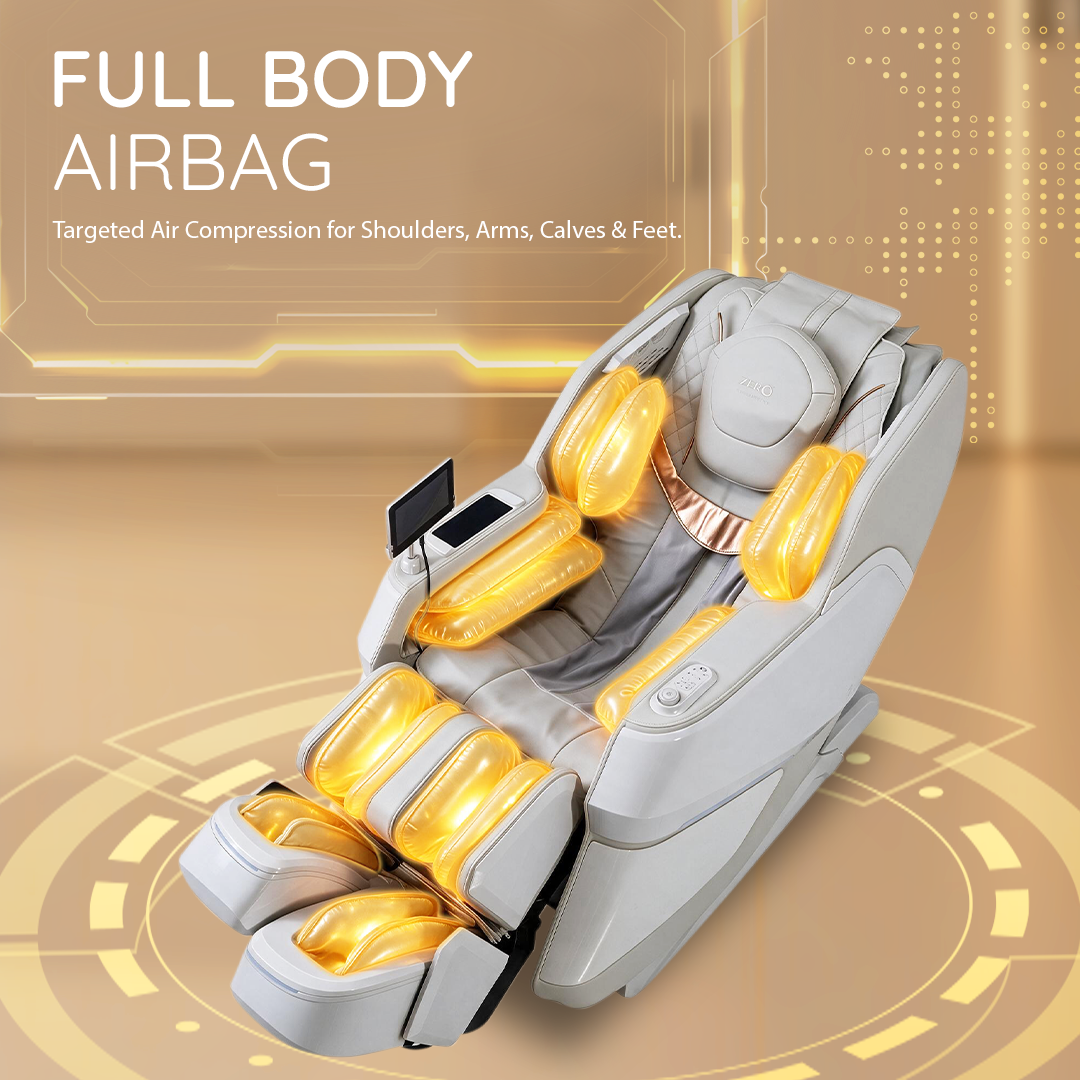
Rollers are only one part of a full-body massage experience.
Many chairs use airbags to provide compression around areas such as the:
- Shoulders
- Arms
- Hands
- Waist
- Hips
- Thighs
- Calves
- Feet
But don’t judge an airbag system purely by the number of airbags advertised.
More airbags do not automatically equal a better massage.
Instead, consider:
Where are the airbags positioned, how naturally do they compress the body, and can you adjust their intensity?
The quality and positioning of compression are more meaningful than the raw number.
6. Test the Foot and Calf Massage
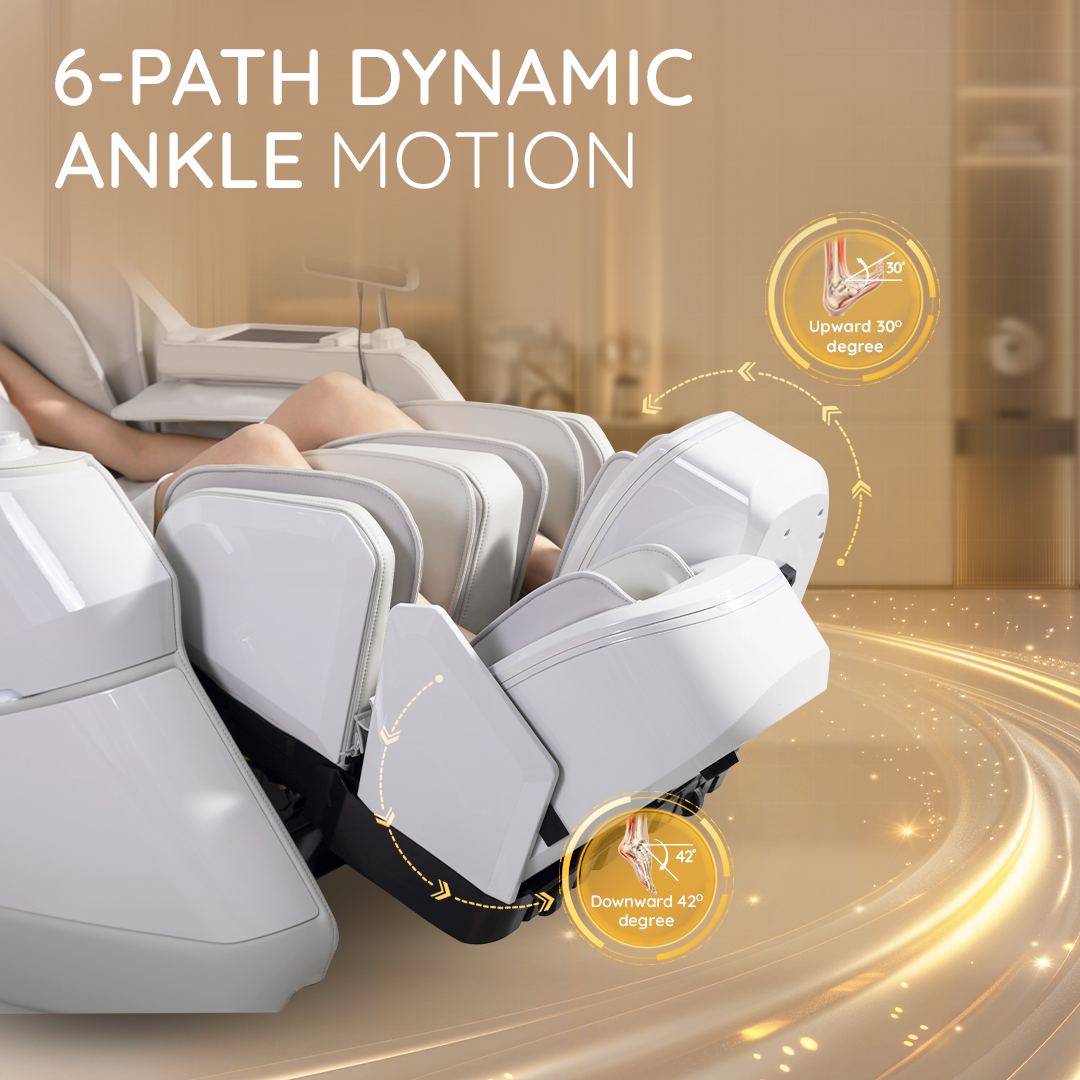
The lower-body experience is easy to overlook when shopping online.
If you spend much of your working day standing or walking, however, foot and calf massage may become one of the features you use most frequently.
Depending on the chair, lower-body massage can involve:
- Foot rollers
- Air compression
- Calf compression
- Heel support
- Ankle movement
- Stretching movements
Pay particular attention to fit.
Your feet should sit naturally within the footrest without feeling cramped, while your calves should align comfortably with the massage area.
7. Consider Stretching Programs
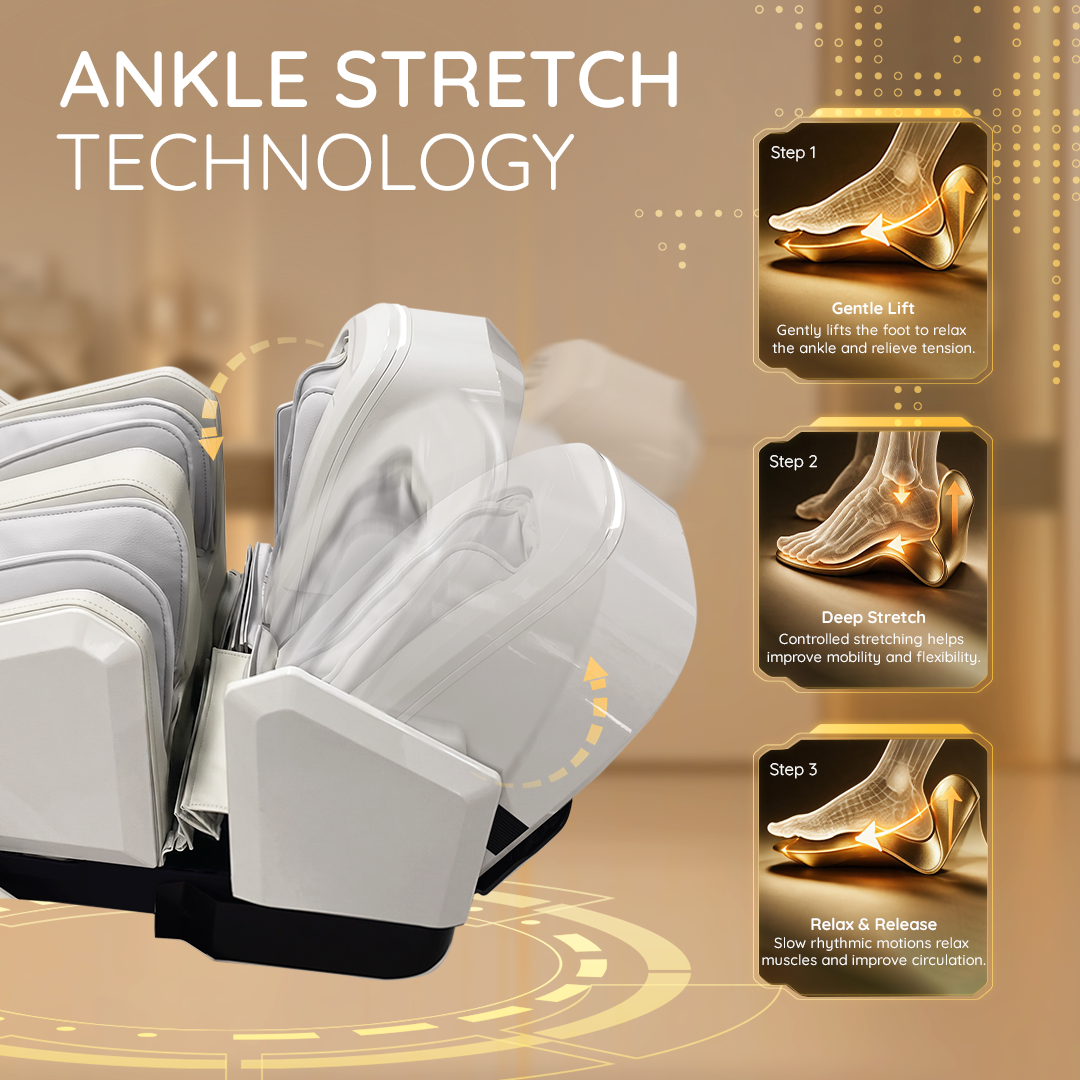
Not every buyer wants the same style of massage.
Some people prefer traditional roller-focused massage, while others enjoy programs that combine reclining, airbags and coordinated movements to create a stretching experience.
Stretching-focused programs may be especially interesting for active adults or people who simply enjoy incorporating gentle stretching and relaxation into their daily routine.
For example, Zero Healthcare’s Robozen places particular emphasis on dynamic stretching alongside massage, including lower-body and foot-and-ankle movements.
Again, this is something that should be experienced rather than judged from specifications alone.
8. Check Zero Gravity and Reclining Comfort
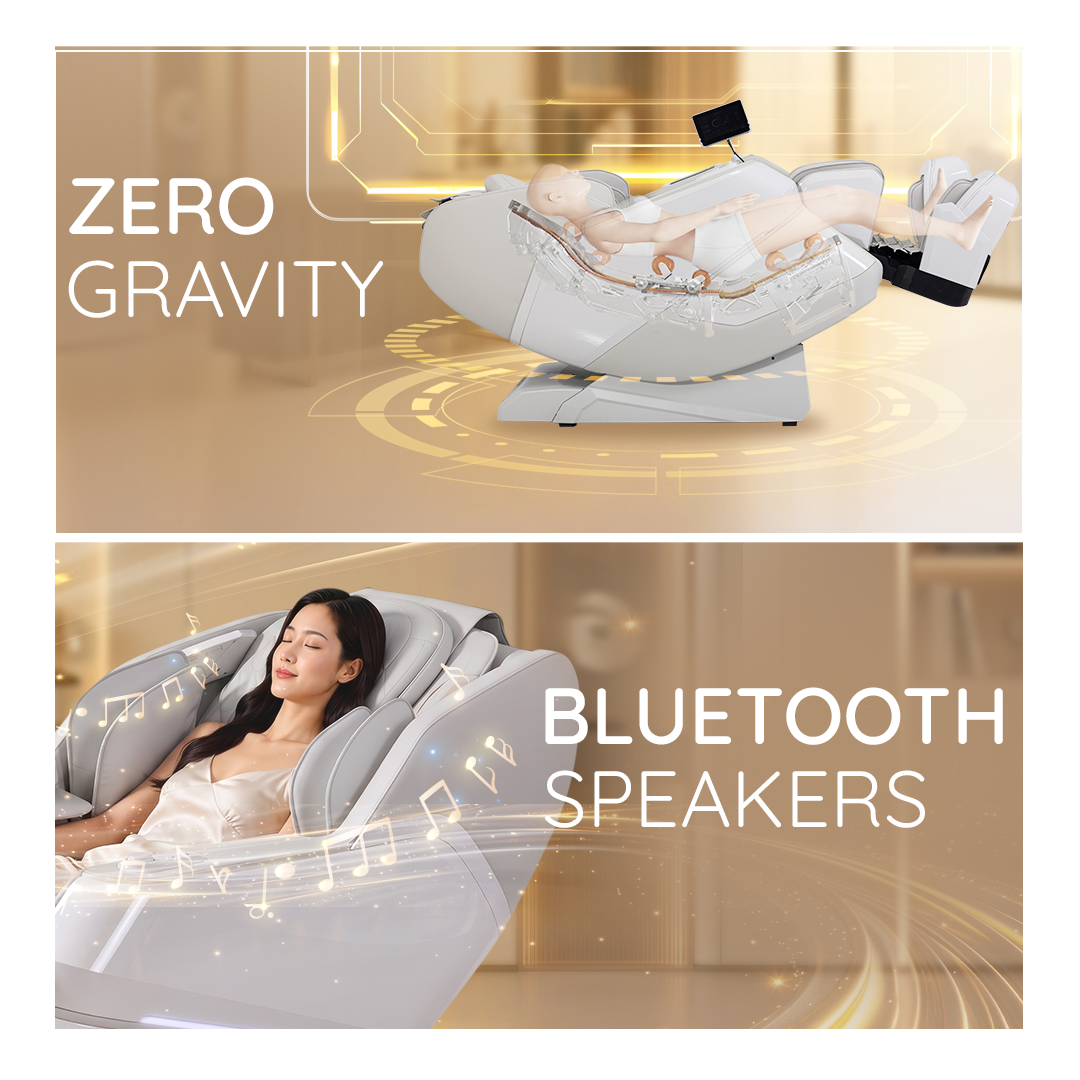
Zero gravity is a reclining position commonly found in modern massage chairs.
Instead of asking whether the chair simply has “zero gravity”, evaluate how comfortable you actually feel when reclined.
Check whether:
- Your neck feels supported
- Your lower back feels comfortable
- Your legs rest naturally
- You feel stable rather than compressed
- Getting in and out of the chair is easy
Remember that you may spend 15–30 minutes or longer sitting in the chair during a session.
Comfort matters.
9. Consider Heat as a Comfort Feature
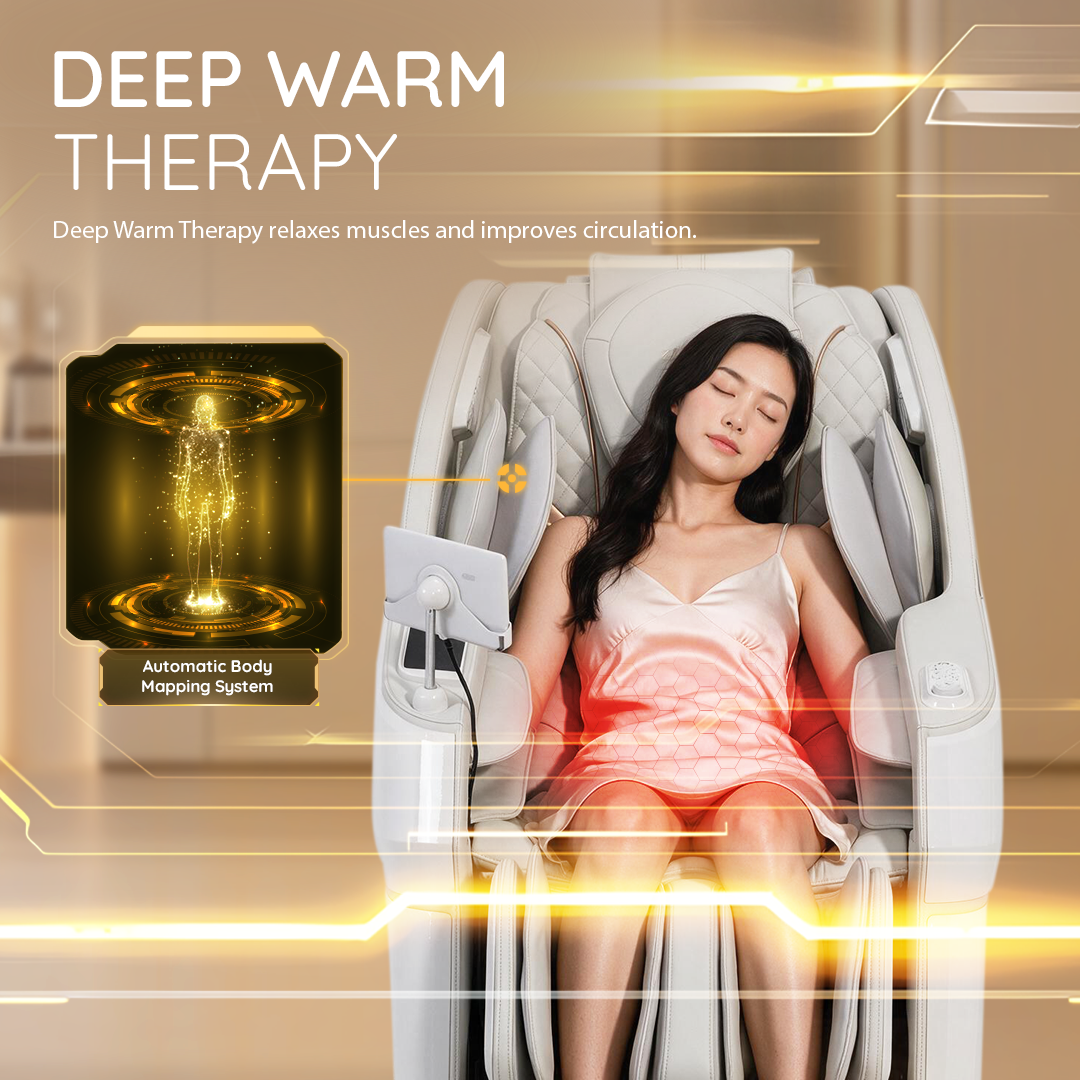
Heat is another common massage chair feature.
Many users enjoy warmth during a massage because it can contribute to an overall feeling of comfort and relaxation.
However, heat should be treated primarily as a comfort and wellness feature, rather than a reason to make medical claims about what the chair can treat.
Scientific evidence surrounding massage and specific health outcomes varies by condition, and massage should not replace appropriate medical care. The U.S. National Center for Complementary and Integrative Health notes that evidence for massage across different pain conditions varies in strength.
10. Make Sure the Chair Fits Your Body
This is one of the most important — and most overlooked — buying considerations.
A premium massage chair is not automatically the right massage chair if your body does not fit comfortably inside it.
Check:
- Shoulder position
- Seat width
- Backrest shape
- Armrest position
- Footrest length
- Calf position
- Head and neck support
- Maximum supported user dimensions and weight
Taller users should pay particular attention to leg extension and shoulder alignment.
Broader users should check seat and shoulder comfort.
Smaller users should make sure the rollers and airbags can still align appropriately.
11. Think About Who Else Will Use It
If the massage chair will be shared by your household, don’t choose solely according to your own preferences.
Consider whether other users have different:
- Heights
- Body builds
- Massage intensity preferences
- Favourite massage areas
- Mobility requirements
A chair with effective body scanning, adjustable intensity and multiple programs can be particularly useful in a multi-user household.
Some premium Zero Healthcare models, for example, use body-scanning technology to adapt massage positioning for different users.
12. Measure Your Available Space
Massage chairs can be significantly larger when fully reclined than they appear in product photos.
Before purchasing, measure:
1. Chair width
Make sure there is enough room around the chair.
2. Reclining depth
Check how much additional space is required behind or in front of the chair when reclining.
3. Delivery pathway
Measure your:
- Main door
- Hallway
- Lift
- Staircase
- Room entrance
A chair that fits perfectly in your living room still needs to get there first.
13. Compare Warranty and After-Sales Support
A massage chair is a mechanical and electronic product containing moving components, motors, airbags, controls and other systems.
Long-term support therefore matters.
Before buying, ask:
- How long is the warranty?
- What components are covered?
- Is labour included?
- Is home servicing available?
- Where is the service team located?
- What happens after the warranty expires?
- Are replacement parts available?
- Who should you contact if something stops working?
Don’t evaluate the purchase price without considering the ownership experience.
Zero Healthcare, for example, states that it provides warranty coverage and a nationwide service network for its massage chairs.
Which Massage Chair Features Actually Matter?
When comparing different chairs, it is easy to become overwhelmed by specifications.
Use this simpler framework:
| Feature | What You Should Evaluate |
|---|---|
| Massage mechanism | Movement, depth, smoothness and intensity |
| Body scanning | Whether rollers align correctly with your body |
| Massage track | Actual back and lower-body coverage |
| Airbags | Placement, comfort and adjustability |
| Foot massage | Roller sensation and foot fit |
| Calf massage | Compression and positioning |
| Stretching | Range and comfort of movement |
| Heat | Location and comfort |
| Zero gravity | Reclining comfort and body support |
| Programs | Whether you will actually use them |
| Controls | Ease of changing settings |
| Size | Fit for your body and home |
| Warranty | Coverage and duration |
| After-sales service | Availability of long-term support |
The key principle is simple:
Do not ask which chair has more features. Ask which chair has more features that you will actually use.
Why You Should Test a Massage Chair Before Buying
Specifications can help narrow your choices.
They cannot tell you exactly how a chair will feel.
Two people can sit in the same massage chair and have completely different opinions about it because of differences in:
- Height
- Body shape
- Shoulder position
- Massage sensitivity
- Preferred intensity
- Preferred massage technique
This is why a showroom trial is particularly useful when buying a full body massage chair.
A product page can tell you that a chair has body scanning.
A trial tells you whether the body scan works well for you.
How to Test a Full Body Massage Chair in a Showroom
Don’t sit in the chair for two minutes and make your decision.
Use a more structured test.
Step 1: Sit naturally
Don’t deliberately adjust your posture to fit the chair. The chair should accommodate your normal sitting position comfortably.
Step 2: Run the body scan
Check where the rollers identify your shoulders and whether manual adjustment is available.
Step 3: Try an automatic program
This gives you an overview of the chair’s overall massage experience.
Step 4: Test different intensities
A chair should not only provide strong massage. It should provide an intensity that feels comfortable for you.
Step 5: Test your priority area
If you care most about your shoulders, feet or stretching, spend additional time evaluating that function.
Step 6: Recline fully
Check neck, back and leg comfort in the chair’s reclining positions.
Step 7: Test the controls
Make sure changing programs, intensity and positions feels straightforward.
Step 8: Sit for long enough to form an opinion
A very short demonstration may not reveal pressure points or comfort issues that become noticeable during a normal session.
Finding the Right Full Body Massage Chair at Zero Healthcare
Zero Healthcare offers massage chairs designed around different massage preferences, technologies and budgets.
Rather than automatically choosing the most advanced model, start by deciding what experience matters most to you.
For example, you may prioritise:
- Full-body relaxation
- More advanced roller control
- Stretching
- Foot and calf massage
- Stronger massage intensity
- A gentler everyday experience
- A chair suitable for several family members
- Premium comfort and technology
You can explore Zero Healthcare’s massage chair options online first to understand the available choices.
But when possible, shortlist a few models and test them physically.
Use the Zero Healthcare Store Locator to find a showroom where you can compare different massage experiences before deciding.
Final Thoughts: Choose for Your Body, Not the Specification Sheet
The best full body massage chair is not necessarily the chair with the most airbags, the largest number of programs or the highest technology label.
It is the chair that fits your body comfortably, massages the areas you care about, provides an intensity you enjoy and works realistically within your home and budget.
Start with these five questions:
- Does it fit my body properly?
- Does the massage actually feel good to me?
- Does it cover the areas I care about?
- Will I regularly use these features?
- Can I rely on the warranty and after-sales support?
If those answers are positive, you are much closer to choosing the right massage chair than you would be by comparing specification sheets alone.
And when possible, try before you buy.
Frequently Asked Questions
Look at massage mechanism quality, body scanning, roller coverage, airbag placement, foot and calf massage, adjustability, reclining comfort, body fit, warranty and after-sales service. Prioritise features that match how you will actually use the chair.
4D systems generally provide more sophisticated control over the massage experience, but a higher technology label does not guarantee better comfort. Body fit, programming, roller movement and personal preference also matter, so testing both is recommended.
It may be worthwhile for people who value convenient, regular massage and relaxation at home. Whether it is worth the investment depends on how often you will use it, the massage quality, your budget and the product’s long-term support.
Test an automatic program, body scanning, different intensities, your priority massage areas, foot and calf massage, reclining positions and controls. Make sure the rollers align properly with your body and that you remain comfortable throughout the session.
Not necessarily. Massage is generally considered low-risk when used appropriately, but certain medical conditions, pregnancy or other circumstances may require precautions. People with health concerns should consult an appropriate healthcare professional before using intensive massage.