


The Hidden Cost of Chronic Fatigue: How Poor Recovery Affects Work Performance
Modern professionals are working harder than ever. Between endless meetings, long commuting hours, constant notifications, and extended screen time, many Malaysians finish the day feeling mentally and physically drained.
The problem isn’t simply being tired—it’s not recovering properly.
When fatigue builds up day after day without sufficient recovery, it can gradually reduce concentration, decision-making ability, emotional resilience, and even long-term health. This is why understanding the relationship between chronic fatigue and work performance has become increasingly important for working professionals.
The good news? Recovery doesn’t always require taking a vacation. Small daily recovery habits can make a significant difference.
What Chronic Fatigue Really Does to the Body
Many people mistake chronic fatigue for simply “having a busy week.” In reality, chronic fatigue develops when the body and mind never fully recover from ongoing physical and mental stress.
Unlike normal tiredness, chronic fatigue often persists even after sleeping.
Common symptoms include:
- Feeling exhausted after waking up
- Difficulty concentrating
- Brain fog during meetings
- Irritability and mood swings
- Neck, shoulder and lower back tension
- Reduced motivation
- Poor sleep quality
These symptoms directly influence chronic fatigue and work performance, making everyday tasks more difficult than they should be.
How fatigue affects productivity
Fatigue doesn’t only reduce physical energy—it also impacts cognitive performance.
Employees experiencing poor recovery often notice:
- Slower decision-making
- More frequent mistakes
- Lower creativity
- Reduced memory retention
- Difficulty multitasking
- Lower workplace engagement
Over weeks and months, this cycle can contribute to reduced productivity and increase the risk of burnout.
The Malaysian Work Culture Factor
Working professionals in Malaysia face several unique lifestyle challenges that contribute to daily fatigue.
Long commuting hours
Many employees spend one to three hours commuting each day, especially in areas such as Kuala Lumpur, Petaling Jaya, Shah Alam, and Johor Bahru.
Long periods of driving or sitting create muscle stiffness while reducing time available for exercise and relaxation.
Long working hours
Although hybrid work has become more common, many professionals continue responding to emails and messages after office hours.
The “always available” culture makes it difficult for the brain to fully switch into recovery mode.
Screen fatigue
Most office workers spend 8–12 hours looking at digital screens.
Extended screen exposure contributes to:
- Eye strain
- Neck stiffness
- Headaches
- Mental exhaustion
- Poor sleep quality due to blue light exposure
Physical inactivity
Even though office work may seem easy physically, prolonged sitting places continuous stress on the lower back, shoulders, hips, and neck.
Without movement throughout the day, muscle tension accumulates.
These lifestyle habits are among the common signs of burnout in Malaysia, especially when paired with insufficient recovery.
Active vs Passive Recovery — What’s the Difference?
Many people believe resting simply means lying on the sofa while scrolling social media.
Surprisingly, that often isn’t enough.
Passive Recovery
Passive recovery involves allowing the body to rest without much movement.
Examples include:
- Sleeping
- Taking naps
- Reading
- Meditation
- Listening to relaxing music
Passive recovery is essential for restoring energy, especially after mentally demanding work.
Active Recovery
Active recovery involves gentle activities that improve circulation without placing additional stress on the body.
Examples include:
- Light stretching
- Walking
- Yoga
- Foam rolling
- Massage therapy
- Using a massage chair
Active recovery helps:
- Increase blood circulation
- Reduce muscle stiffness
- Improve flexibility
- Encourage relaxation
- Prepare the body for better sleep
The healthiest approach combines both active and passive recovery into a daily routine.
Why Recovery Is More Than Just Sleep
Sleep is incredibly important—but recovery is much broader.
A complete recovery routine includes several lifestyle habits working together.
| Recovery Habit | Benefit |
|---|---|
| Quality sleep | Restores brain and immune function |
| Hydration | Supports circulation and energy levels |
| Healthy nutrition | Replenishes nutrients |
| Stretching | Reduces muscle tightness |
| Walking | Improves circulation |
| Massage | Relieves muscle tension and promotes relaxation |
| Mindfulness | Reduces stress hormones |
Rather than relying on a single solution, experts increasingly recommend building a recovery ecosystem that supports both physical and mental wellbeing.
This is where wellness products can complement—not replace—healthy habits.
How Massage Fits Into a Healthy Recovery Routine
Massage has long been associated with relaxation, but its role extends beyond simply feeling comfortable.
A short massage session after work may help:
- Ease muscle tightness
- Promote relaxation
- Encourage better sleep quality
- Reduce physical discomfort after prolonged sitting
- Create a dedicated transition between work and personal time
Instead of viewing massage as an occasional luxury, many professionals are incorporating it into their regular recovery routine.
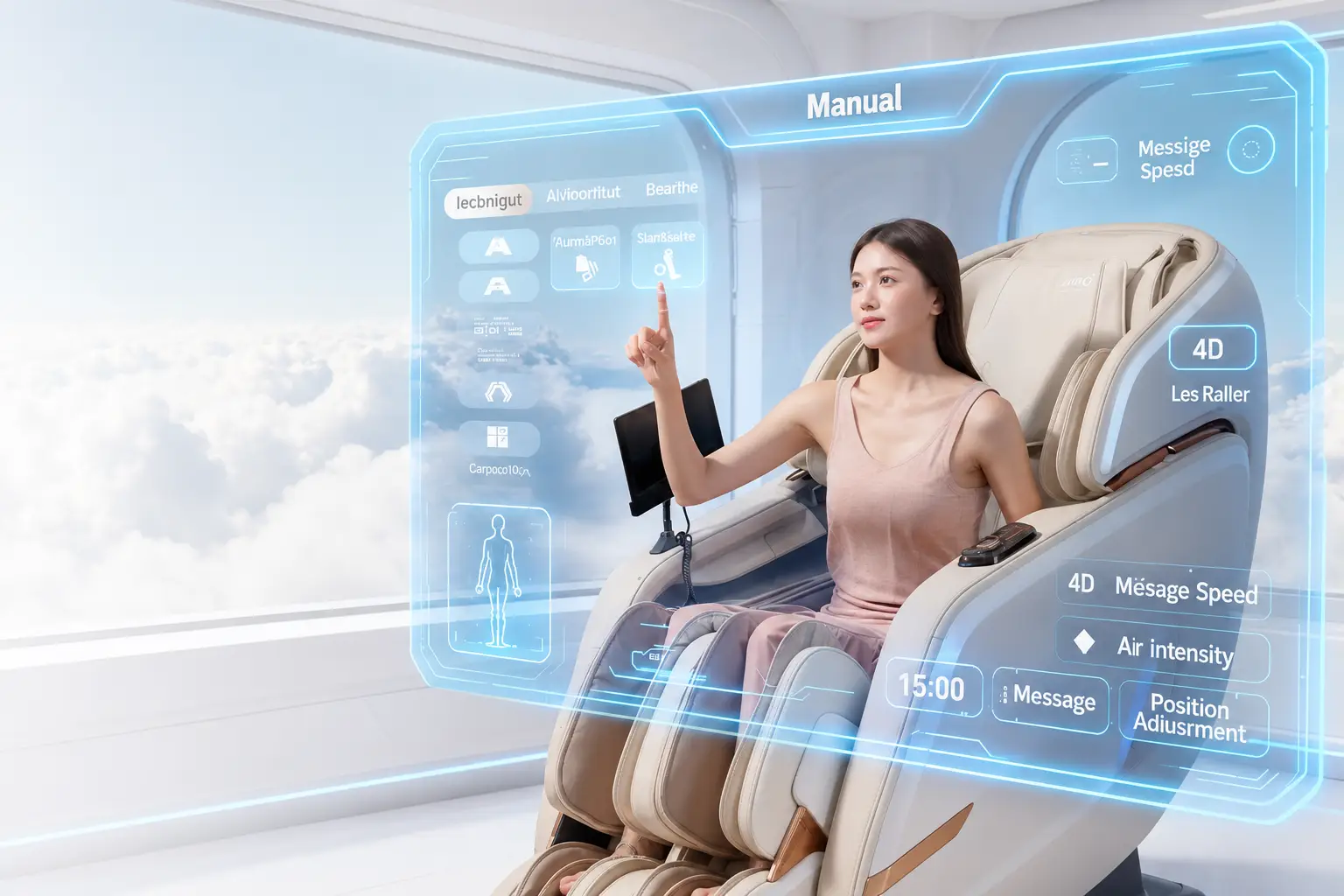
For home users, a massage chair provides a convenient way to enjoy consistent relaxation without needing to schedule appointments.
As part of a balanced wellness routine—including sleep, hydration, stretching, and movement—a massage chair can become one component of a sustainable recovery lifestyle.
Building a 10-Minute Daily Recovery Ritual
If you’re wondering how to recover from daily fatigue, consistency matters more than duration.
Try this simple 10-minute evening routine.
Minute 1–2: Disconnect
Put away your phone and laptop.
Allow your brain to transition away from work mode.
Minute 3–4: Gentle Stretching
Focus on:
- Neck
- Shoulders
- Lower back
- Hamstrings
This helps release stiffness accumulated throughout the day.
Minute 5–8: Relaxation Massage
Spend a few minutes enjoying a relaxing massage session while breathing slowly.
Many professionals appreciate the convenience of home wellness solutions, such as those offered by Zero Healthcare, which are designed to fit naturally into everyday recovery routines rather than replace healthy habits.
Minute 9: Hydrate
Drink a glass of water before bed.
Hydration supports recovery after a long workday.
Minute 10: Mindful Breathing
Close your eyes.
Take slow, deep breaths for one minute.
This helps calm the nervous system before sleep.
Practiced consistently, this routine can help you feel more refreshed the following morning.
Creating a Sustainable Recovery Ecosystem
True recovery isn’t about finding one miracle product.
It’s about building habits that support your body every day.
A sustainable recovery ecosystem may include:
- Regular sleep schedule
- Daily movement
- Balanced nutrition
- Proper hydration
- Stretching breaks during work
- Relaxation practices
- Home massage sessions when needed
When these habits work together, they can support long-term wellbeing and help professionals stay energized both inside and outside the workplace.
If you’re exploring ways to improve your recovery routine at home, Zero Healthcare offers a range of wellness products designed to complement healthy lifestyle habits.
You can explore their collection of massage chairs here:
👉 Best Massage Chair Collection
https://www.zerohealthcare.com/best-massage-chair/
Or visit your nearest showroom to experience them in person:
👉 Store Locator
https://www.zerohealthcare.com/store-locator/
Frequently Asked Questions (FAQ)
Fatigue reduces concentration, slows decision-making, increases mistakes, lowers creativity, and makes it harder to stay engaged at work. Over time, poor recovery can negatively affect both performance and overall wellbeing.
Passive recovery refers to activities that allow the body and mind to rest without significant physical effort. Examples include sleeping, napping, reading, meditation, or simply relaxing.
A balanced recovery routine may include hydration, light stretching, a nutritious meal, quality sleep, mindful breathing, and a short massage session to relieve muscle tension and promote relaxation.
A massage chair can be a convenient addition to a healthy recovery routine. Used alongside quality sleep, stretching, hydration, and regular movement, it may help relieve muscle tension and encourage relaxation after a busy day
Conclusion
In today’s demanding work environment, recovery should be viewed as a daily habit—not an occasional reward.
Understanding the connection between chronic fatigue and work performance empowers professionals to make small, sustainable lifestyle changes that support long-term wellbeing.
Whether it’s stretching after work, improving sleep habits, staying hydrated, or enjoying a short massage session, consistent recovery practices can help you feel more energized and productive over time.
As part of a complete recovery ecosystem, Zero Healthcare offers wellness solutions that fit naturally into everyday life, helping Malaysians create healthier routines from the comfort of home.
Discover how a short daily massage session fits into a sustainable recovery routine by exploring Zero Healthcare’s wellness collection:
https://www.zerohealthcare.com/