


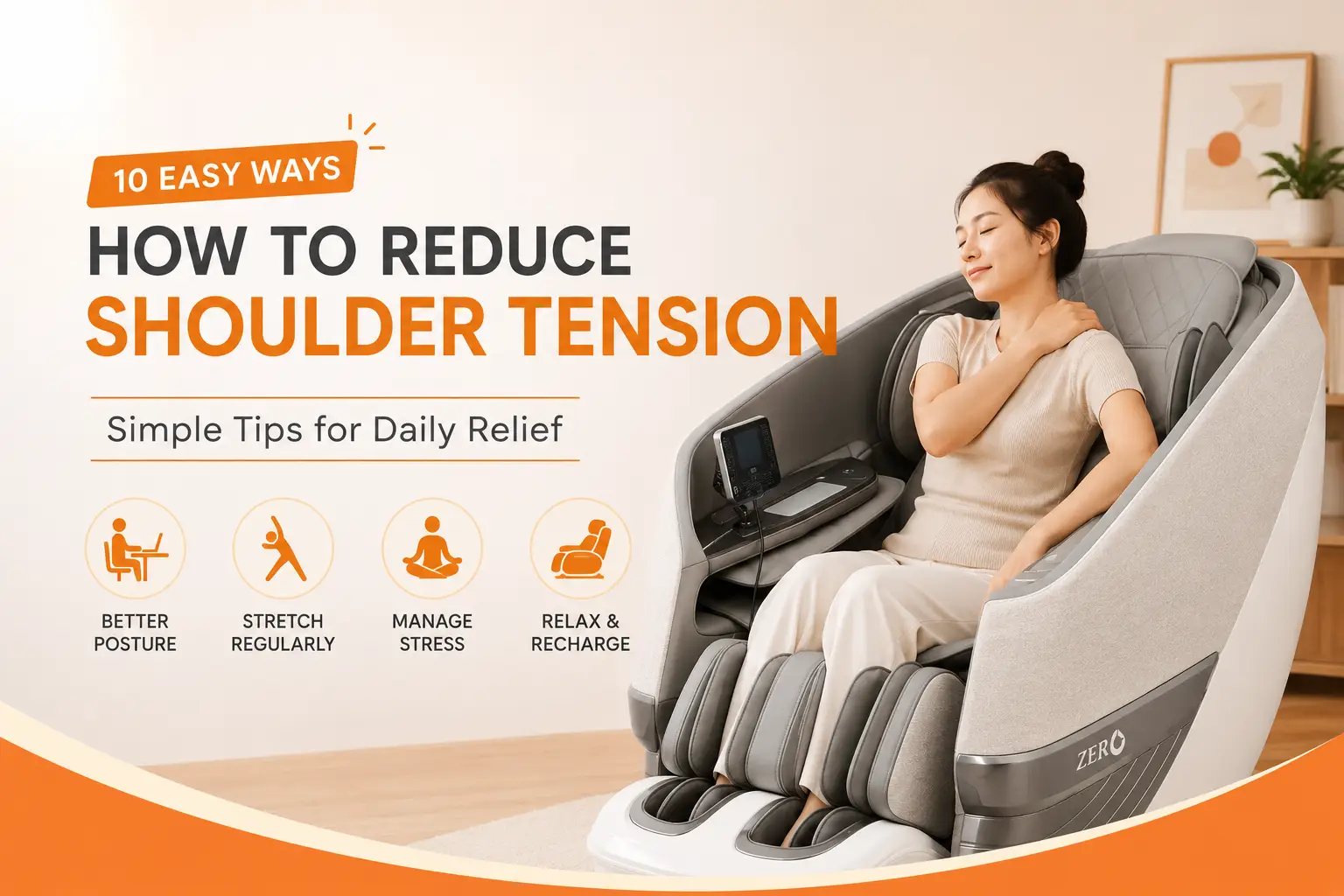
How to Reduce Shoulder Tension: 10 Effective Ways to Relieve Tight Shoulders at Home
Shoulder tension is one of the most common complaints among office workers, drivers, parents, and anyone who spends long hours using a computer or smartphone. Tight shoulders can make everyday activities uncomfortable, reduce productivity, and even affect sleep quality.
The good news? Most shoulder tension can be improved with healthy daily habits, regular movement, and proper relaxation techniques. If you’re looking for long-term comfort, a massage chair can also become an excellent addition to your home wellness routine.
In this guide, we’ll explore the common causes of shoulder tension and practical ways to relieve it naturally.
What Causes Shoulder Tension?
Shoulder tension usually develops gradually rather than appearing overnight. Modern lifestyles often place continuous stress on the muscles around the neck, shoulders, and upper back.
Common causes include:
- Poor sitting posture
- Long hours at a computer
- Excessive smartphone use (“tech neck”)
- Emotional stress and anxiety
- Heavy lifting or repetitive movements
- Lack of exercise
- Poor sleeping position
These habits cause muscles to stay contracted for extended periods, leading to stiffness and discomfort.
Signs You Have Shoulder Tension
You may be experiencing shoulder tension if you notice:
- Tightness around the neck and shoulders
- Difficulty turning your head comfortably
- Upper back soreness
- Frequent tension headaches
- Muscle fatigue after work
- Reduced shoulder mobility
If pain is severe, persistent, or accompanied by numbness or weakness, consult a healthcare professional for proper evaluation.
10 Effective Ways to Reduce Shoulder Tension
1. Improve Your Posture
Poor posture is one of the biggest contributors to shoulder tightness.
Simple posture improvements include:
- Keep your shoulders relaxed instead of lifted
- Sit with your back supported
- Position your monitor at eye level
- Keep elbows close to your body
- Avoid looking down at your phone for long periods
Even small adjustments throughout the day can reduce unnecessary muscle strain.
2. Stretch Every Hour
Stretching helps improve flexibility and reduce muscle stiffness.
Try these simple stretches:
Neck Stretch
Tilt your head toward each shoulder and hold for 20 seconds.
Shoulder Rolls
Roll your shoulders forward and backward 10 times.
Chest Stretch
Open your chest by clasping your hands behind your back.
Repeat these throughout your workday to keep muscles relaxed.
3. Move More During the Day
Sitting for hours without moving reduces blood circulation and allows muscles to tighten.
A simple routine:
- Stand every 30–60 minutes
- Walk for 2–5 minutes
- Stretch between meetings
- Take the stairs when possible
Small movement breaks make a noticeable difference over time.
4. Reduce Stress Levels
Stress often causes people to unconsciously tighten their shoulders.
Helpful relaxation techniques include:
- Deep breathing
- Meditation
- Light yoga
- Listening to calming music
- Taking short relaxation breaks
Relaxing your mind often helps relax your muscles too.
5. Apply Heat Therapy
Warmth helps increase circulation and loosen tight muscles.
You can use:
- Warm towels
- Heating pads
- Warm showers
- Heated massage devices
Heat is especially comforting after a long workday.
6. Strengthen Your Upper Back
Weak upper back muscles force the shoulders to work harder.
Exercises like:
- Resistance band rows
- Wall angels
- Face pulls
- Scapular squeezes
can help improve posture and reduce recurring tension.
7. Stay Hydrated
Muscles function better when properly hydrated.
Drinking enough water throughout the day supports normal muscle function and overall health.
8. Get Better Sleep
Sleeping in awkward positions can leave your shoulders stiff in the morning.
Tips:
- Use a supportive pillow
- Sleep on your back or side
- Avoid sleeping on your stomach
- Replace worn-out pillows when necessary
9. Massage Tight Muscles
Massage helps relax muscles and improve circulation.
Options include:
- Professional massage therapy
- Foam rollers
- Massage balls
- Handheld massagers
Regular massage sessions may help relieve daily muscle tension.
10. Use a Massage Chair at Home
One of the easiest ways to relax after work is using a massage chair.
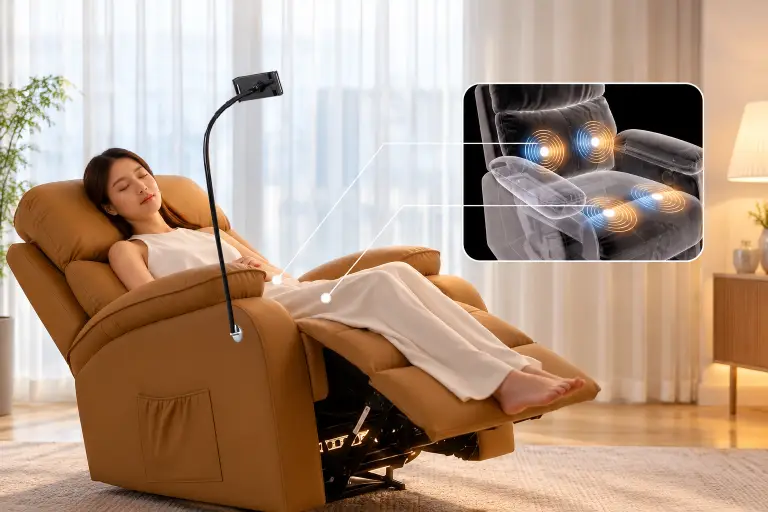
Modern massage chairs combine multiple massage technologies that target common tension areas around the shoulders, neck, and upper back.
Many premium models include:
- SL-Track massage rollers for full-body coverage
- Zero Gravity positioning to reduce pressure on the spine
- Heat therapy for soothing muscle stiffness
- Air compression massage for gentle relaxation
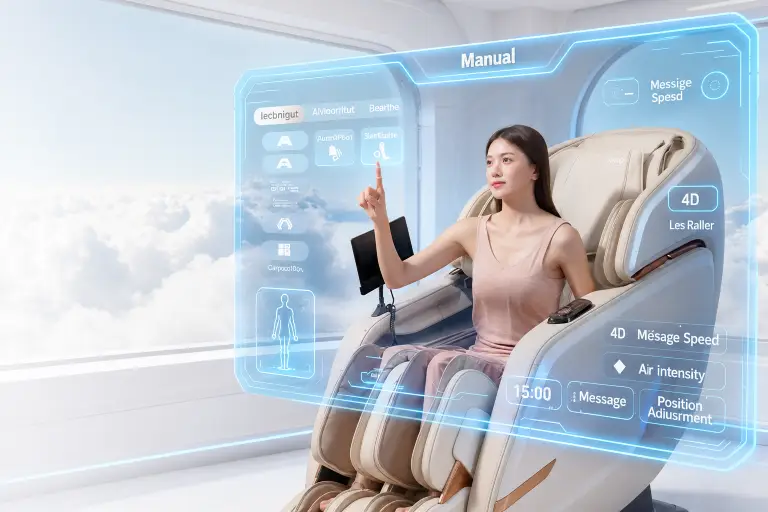
- Multiple automatic massage programs designed for different needs
While massage chairs are not medical treatment devices, they can support relaxation, reduce muscle tension, and provide a convenient wellness experience at home.
Why Choose Zero Healthcare Massage Chairs?
If you’re searching for a massage chair in Malaysia, Zero Healthcare offers a wide selection designed for daily comfort and relaxation.
Benefits include:
- Advanced massage technology
- Full-body massage programs
- Zero Gravity experience
- Heat therapy
- Comfortable home use
- Professional after-sales support
- Multiple showrooms across Malaysia
Whether you’re an office worker, retiree, or someone seeking everyday relaxation, Zero Healthcare provides massage chair options to suit different lifestyles.
👉 Explore our massage chair collection:
https://www.zerohealthcare.com/best-massage-chair/
👉 Visit your nearest showroom:
https://www.zerohealthcare.com/store-locator/
Build a Daily Shoulder Relief Routine
Here’s a simple 15-minute routine you can follow every day:
| Time | Activity |
|---|---|
| 2 mins | Neck stretches |
| 2 mins | Shoulder rolls |
| 3 mins | Upper back stretching |
| 3 mins | Deep breathing |
| 5 mins | Relax in a massage chair |
Consistency is more important than intensity.
When Should You See a Doctor?
Although muscle tension is common, seek medical advice if you experience:
- Pain lasting several weeks
- Numbness or tingling
- Weakness in your arms
- Pain after an injury
- Severe pain that worsens over time
Early assessment helps rule out more serious conditions.
Conclusion
Shoulder tension is often caused by modern lifestyles, poor posture, stress, and prolonged sitting. Fortunately, simple daily habits such as stretching, improving ergonomics, moving more, and managing stress can significantly reduce discomfort.
Adding a massage chair to your home wellness routine offers a convenient way to unwind after a busy day. With advanced relaxation features and full-body massage technology, Zero Healthcare helps make everyday comfort more accessible for Malaysian families.
Frequently Asked Questions (FAQ)
Poor posture, prolonged sitting, stress, repetitive movements, and excessive screen time are among the most common causes.
Yes. Massage chairs may help relax tight muscles, improve comfort, and promote relaxation, though they are not medical treatment devices.
Aim to stretch every 30–60 minutes if you spend long hours sitting.
Yes. Heat therapy may help relax tight muscles and improve circulation.
You can visit any Zero Healthcare showroom across Malaysia:
https://www.zerohealthcare.com/store-locator/