


Why Tight Muscles and Poor Posture Are Making Your Body Age Faster
Have you ever noticed that even after exercising regularly, your body still feels stiff, sore, or uncomfortable?
The problem may not be your workout—it may be your muscles.
Today, many Malaysians spend 8 to 12 hours a day sitting in front of a computer, driving, or looking down at their phones. Over time, these habits place continuous stress on the spine and surrounding muscles, causing the body to become tight, imbalanced, and less mobile.
When muscles remain tense for long periods, even simple stretching or exercise can become uncomfortable. Instead of helping your body recover, exercise may actually increase soreness if your muscles are not properly prepared.
The good news is that this can often be improved by relaxing your muscles before physical activity.
Why Modern Lifestyle Is Damaging Our Spine
Sitting Is the New Smoking
Research has shown that prolonged sitting is associated with poor posture, muscle imbalances, and spinal discomfort.
Common daily habits include:
- Sitting at a desk for long hours
- Looking down at smartphones
- Driving for extended periods
- Lack of regular movement
- Poor ergonomic posture
These habits create excessive tension in muscles surrounding the:
- Neck
- Shoulders
- Upper back
- Lower back
- Hips
- Hamstrings
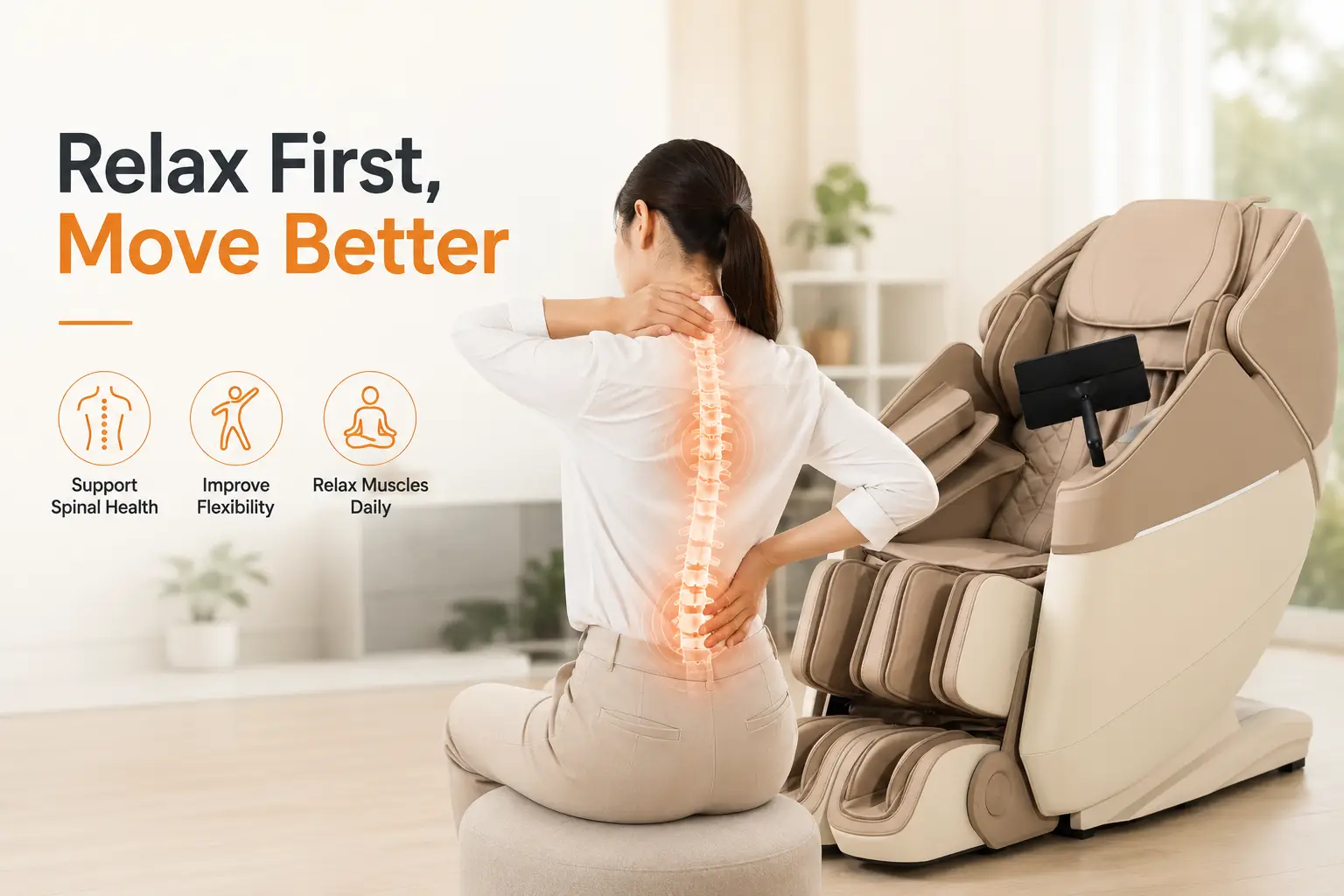
As muscles become tighter, they begin pulling on the body’s alignment, placing additional pressure on the spine.
Tight Muscles Affect More Than Just Your Back
Many people assume their pain comes directly from the spine.
In reality, muscle tension is often one of the biggest contributors.
When muscles stay contracted for hours every day, they may cause:
- Neck stiffness
- Shoulder tightness
- Lower back discomfort
- Reduced flexibility
- Limited range of motion
- Poor blood circulation
- Faster muscle fatigue
Over time, these issues may make daily activities feel more tiring and increase discomfort after exercise.
Why Stretching Sometimes Doesn’t Work
Many people immediately stretch when they feel stiff.
However, stretching a muscle that is already tight can sometimes feel painful and ineffective.
Imagine trying to stretch a thick rubber band that has been left under tension all day.
It resists.
Your muscles behave in a similar way.
If the muscle is still tense, stretching alone may not produce the flexibility you’re expecting.
Instead, it’s often more effective to first reduce muscle tension through relaxation techniques before beginning stretching exercises.
Relax First, Then Stretch
The Better Recovery Routine
A simple sequence can help your body move more comfortably:
Step 1: Relax the Muscles
Before exercising, allow your muscles time to loosen.
Methods include:
- Massage
- Heat therapy
- Gentle mobility exercises
- Using a massage chair
When muscles become more relaxed, blood circulation improves and movement often feels easier.
Step 2: Gentle Stretching
Once the muscles feel softer, stretching becomes more comfortable.
Your joints can move through a greater range of motion with less resistance.
Step 3: Exercise
With better flexibility and reduced muscle tension, your workout may feel smoother while helping lower the chance of unnecessary muscle strain.
How a Massage Chair Can Help
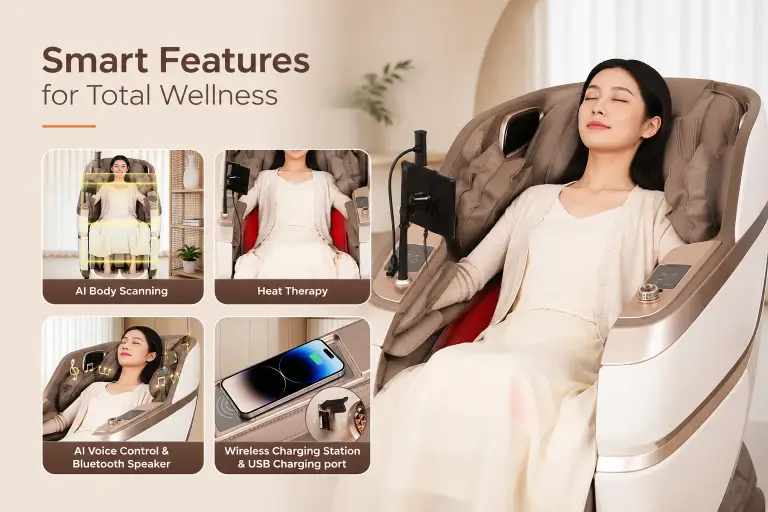
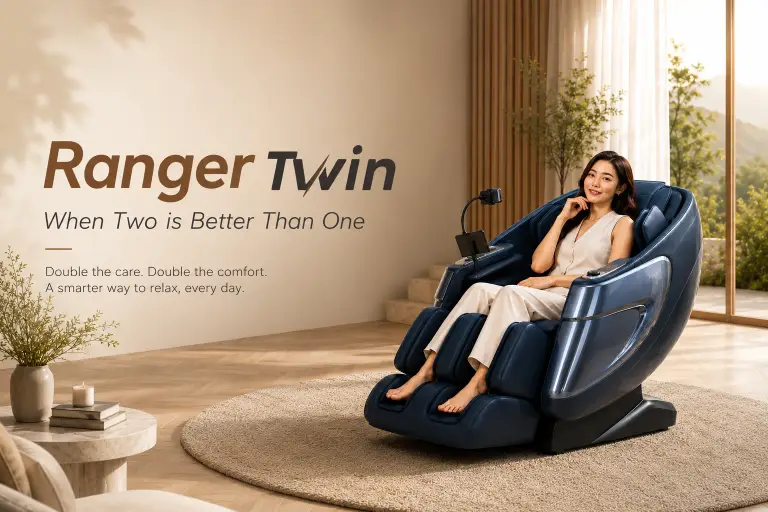
A quality massage chair is designed to simulate professional massage techniques that help relax tight muscles throughout the body.
Depending on the model, massage chairs may include features such as:
- Full-body massage coverage
- Airbag compression massage
- Shoulder and neck massage
- Lower back massage
- Leg and calf massage
- Zero Gravity positioning
- Heat therapy
- Multiple automatic massage programs
Using a massage chair before stretching or light exercise can become part of a healthy recovery routine at home.
It offers a convenient way to enjoy regular relaxation without needing frequent appointments.
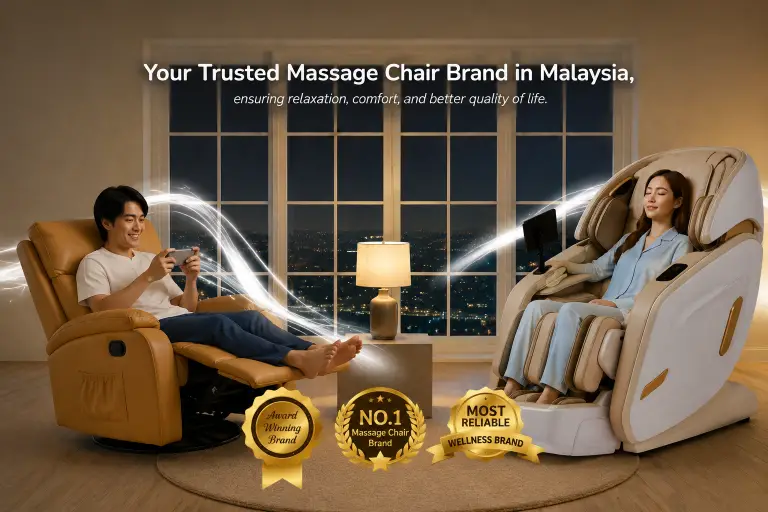
Why More Malaysians Choose Zero Healthcare
At Zero Healthcare, we believe that wellness starts with consistency.
Our massage chairs are designed to help families enjoy daily relaxation in the comfort of home, making it easier to care for muscle recovery as part of a healthy lifestyle.
Whether you’re working long office hours, exercising regularly, or simply experiencing everyday muscle stiffness, finding the right massage chair can support your overall comfort.
Explore our latest massage chair collection here:
👉 https://www.zerohealthcare.com/
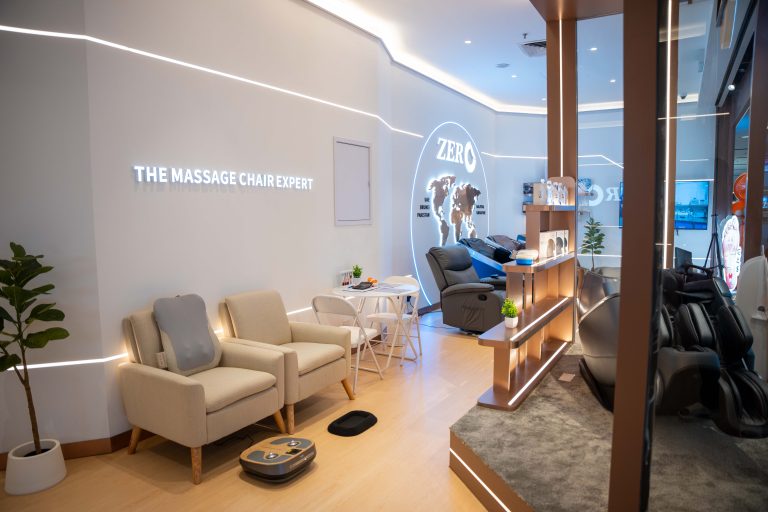
Looking for a showroom near you?
👉 https://www.zerohealthcare.com/store-locator/
Need help choosing the best model?
👉 https://www.zerohealthcare.com/best-massage-chair/
Simple Daily Habits for Better Spinal Health
Improving spinal health doesn’t always require major lifestyle changes.
Small daily habits can make a big difference:
- Stand up every 30–60 minutes
- Improve your sitting posture
- Stretch regularly
- Stay physically active
- Strengthen your core muscles
- Sleep on a supportive mattress
- Relax tight muscles before exercising
- Use a massage chair as part of your recovery routine
Consistency is far more important than intensity.
Final Thoughts
Modern lifestyles place tremendous pressure on our spine and muscles.
Poor posture, prolonged sitting, and lack of movement can gradually lead to muscle tightness that affects flexibility, exercise performance, and everyday comfort.
Instead of forcing your body to move through stiff muscles, focus on relaxing them first.
A simple routine of muscle relaxation → stretching → exercise may help your body move more comfortably while supporting long-term spinal health.
Combined with healthy movement habits, a quality massage chair can become a valuable part of your home wellness routine.
Frequently Asked Questions
Yes. Tight muscles around the neck, shoulders, back, and hips can affect posture and increase stress on the spine, contributing to discomfort.
Many people find that relaxing tight muscles first makes stretching more comfortable and effective.
No. A massage chair is designed to support relaxation and muscle recovery, but it should complement—not replace—regular physical activity.
Many people enjoy using a massage chair for 15–30 minutes a day as part of their relaxation or recovery routine. Follow the manufacturer’s guidance and consult a healthcare professional if you have medical concerns.
You can visit your nearest showroom through the Store Locator:
https://www.zerohealthcare.com/store-locator/