



Common Causes Of Neck & Shoulder Pain in Malaysia
Understanding Neck and Shoulder Pain in Malaysia
Neck and shoulder pain is becoming increasingly common in Malaysia, especially among office workers and “smartphone generation” individuals. Key points:
- Long hours on laptops, smartphones, and computers.
- Poor posture leading to chronic discomfort and stiffness.
- Pain can result in headaches, fatigue, and reduced productivity.
- Understanding causes is the first step toward relief.
Why Neck and Shoulder Pain Happens
1. Poor Posture and “Tech Neck”
- Constant forward head tilt while using smartphones or laptops.
- Extra strain on neck and shoulder muscles.
- Can lead to long-term spinal issues if not corrected.
2. Sedentary Office Lifestyle
- Prolonged sitting without ergonomic support.
- Repetitive movements like typing and mouse use cause tension.
- Muscles stiffen over time, leading to soreness and fatigue.
3. Muscle Tension and Stress
- Stress causes muscles to tighten, especially in neck and shoulders.
- Reduced blood flow can increase stiffness.
- Chronic tension may lead to pain, headaches, and poor posture.
Solutions for Neck and Shoulder Pain
1. Ergonomic Adjustments
- Raise your monitor to eye level.
- Use an ergonomic chair with proper back and arm support.
- Take short breaks every 30–60 minutes to stretch and move.
- Keep keyboard and mouse at comfortable height to avoid strain.
2. Regular Exercise and Stretching
- Shoulder rolls and neck stretches daily.
- Yoga or pilates for flexibility and core strength.
- Light cardio improves blood flow to muscles.
- Focus on exercises that target upper back, neck, and shoulders.
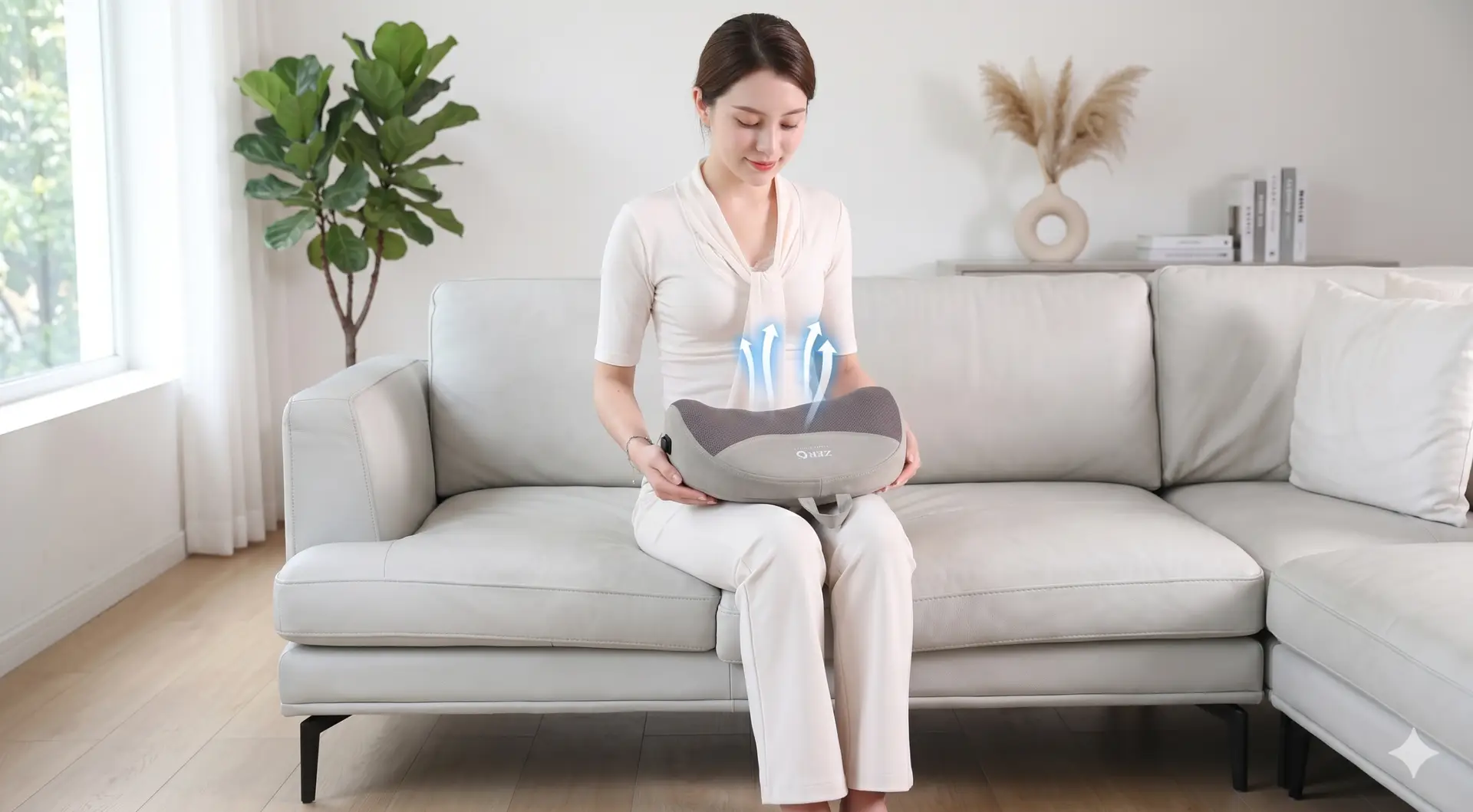
3. Using a Neck Massager
- Portable device designed specifically for neck and shoulder relief.
- Provides gentle massage to tight muscles after long hours of work.
- Can be used at home, in the office, or even while traveling.
- Helps improve blood circulation and reduce stiffness quickly.
- Works well in combination with a massage chair for maximum relief.
4. Using a Massage Chair
- Relieves tight muscles and improves blood circulation.
- Provides convenient at-home solution for busy office workers.
- Can reduce stress and improve posture over time.
- Ideal for “low-tech breaks” during long screen time sessions.
Frequently Asked Questions (FAQs)
• Mild pain may improve with rest and posture correction.
• Chronic pain usually requires stretching, exercise, or massage.
• 2–3 times per week for general relief.
• Daily use for short sessions may help severe tension.
• Shoulder rolls, neck tilts, and stretches can be done at your desk.
• Take small movement breaks to prevent stiffness.
• Pain persists for more than a few weeks.
• Pain is severe or accompanied by numbness or tingling.